A normal clinical day depends on a surprising amount of engineering working quietly in the background.
Your treatment centres need power, air and water. Your suction and compressed air systems need to perform reliably. Your autoclaves, imaging equipment, electrical services, plumbing, drainage and ventilation all have their own role to play.
When everything works, most of this goes unnoticed.
When one system fails, the effect can be immediate.
For National Engineering Day, we’re recognising the dental engineers who help keep practices running. We’re also taking a closer look at the systems they support, how faults are diagnosed and what your team can do to reduce avoidable disruption.
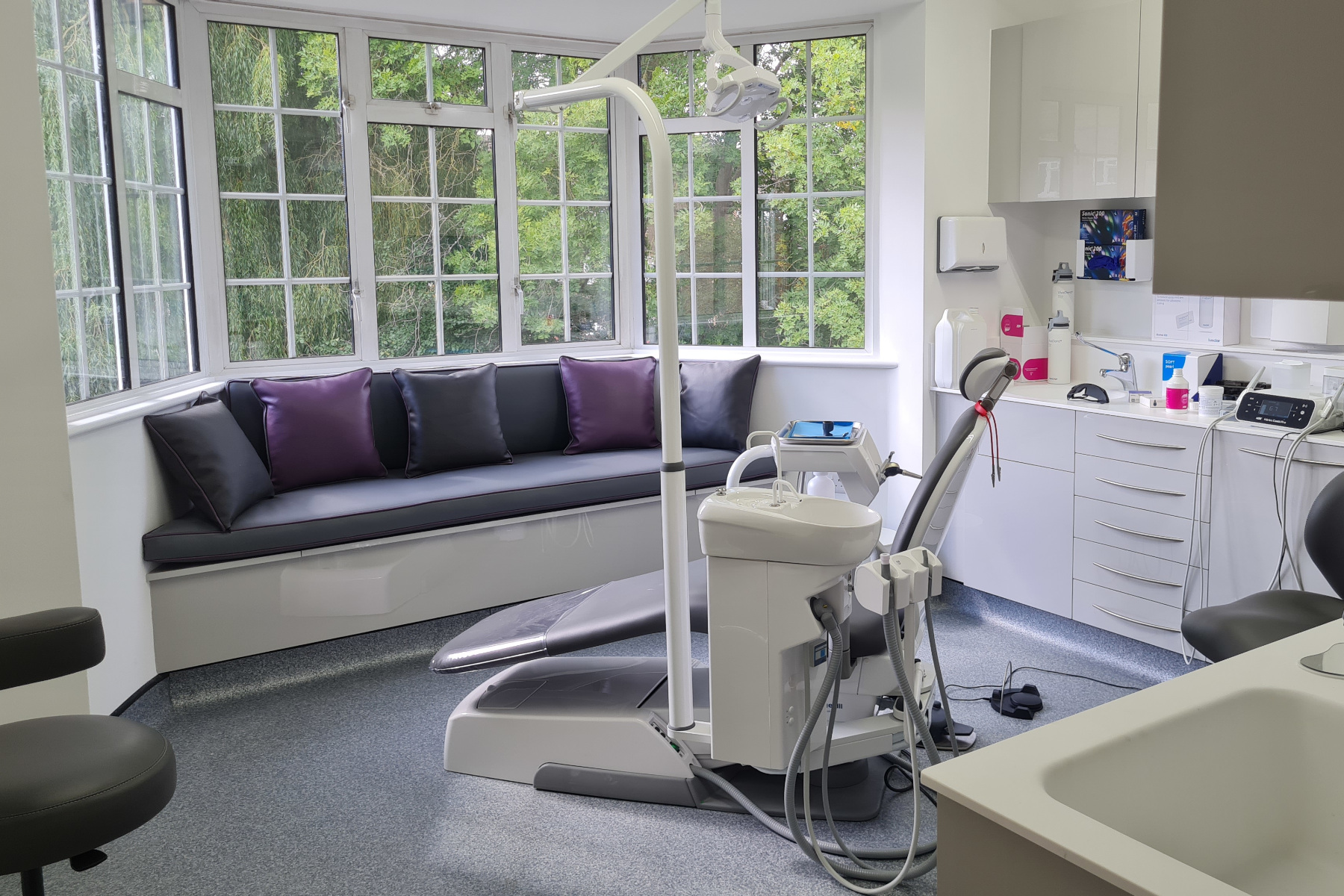
Your practice brings together clinical equipment, building services and specialist infrastructure in one working environment.
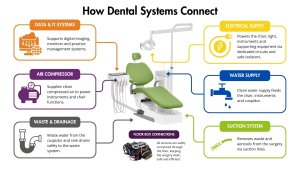
Many of these systems are closely connected:
| System | What it supports | What a fault can affect |
|---|---|---|
| Compressed air | Treatment centres and instruments | One or several surgeries |
| Suction | Aspiration during treatment | Clinical procedures |
| Treatment centres | Chair, instruments, light and services | Individual surgery |
| Sterilisation equipment | Instrument processing | Decontamination workflow |
| X-ray and imaging | Diagnosis and treatment planning | Imaging appointments |
| Electrical, water and drainage | Equipment across the practice | Several clinical systems |
This connection between systems has been part of Eclipse from the beginning.
The business originally focused on air compressors for dentists. It quickly became clear that installing compressed-air pipework meant working through surgeries, connecting treatment centres and supporting decontamination rooms. The engineering naturally extended across the wider practice.
That same thinking matters when you are planning a refurbishment, installing new equipment or dealing with a fault.
Understanding how the systems connect helps an engineer find the cause more quickly and helps your team give better information when you need support.
You can find out more about the wider role of a dental engineer in our Ultimate Guide to Dental Engineering.
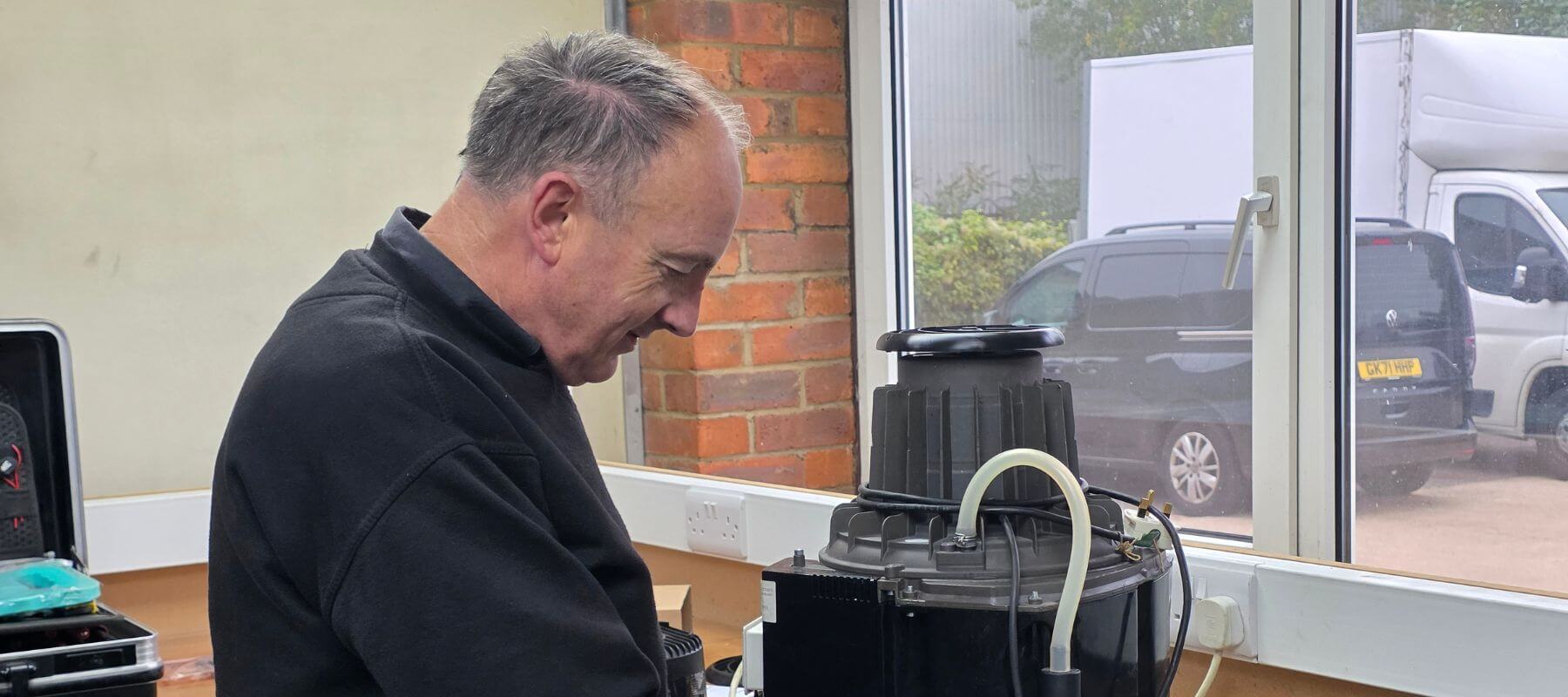
A dental engineer installs, services, diagnoses and repairs the equipment and supporting systems used in dental practices.
Depending on their training and experience, this can include:
An engineer needs to understand how a piece of equipment should behave, identify what has changed and work through the possible causes.
That can involve checking:
Planned servicing and maintenance is equally important.
Regular maintenance gives your engineer an opportunity to inspect equipment, complete servicing in line with the manufacturer’s requirements, identify developing problems and maintain a clear service history.
The CQC’s guidance on premises and equipment also covers the importance of maintaining equipment and following manufacturers’ instructions.
Dental engineers may also install and commission new equipment, test systems, support practice teams and complete manufacturer-specific technical training.
Imagine your suction suddenly stops halfway through a busy clinical day.
A useful support process might look like this:
Equipment stops working
↓
Identify the affected equipment
↓
Send a photo, video or error code
↓
Carry out safe operator checks
↓
Remote diagnosis where possible
↓
Engineer attends if required
↓
Loan equipment considered where appropriate
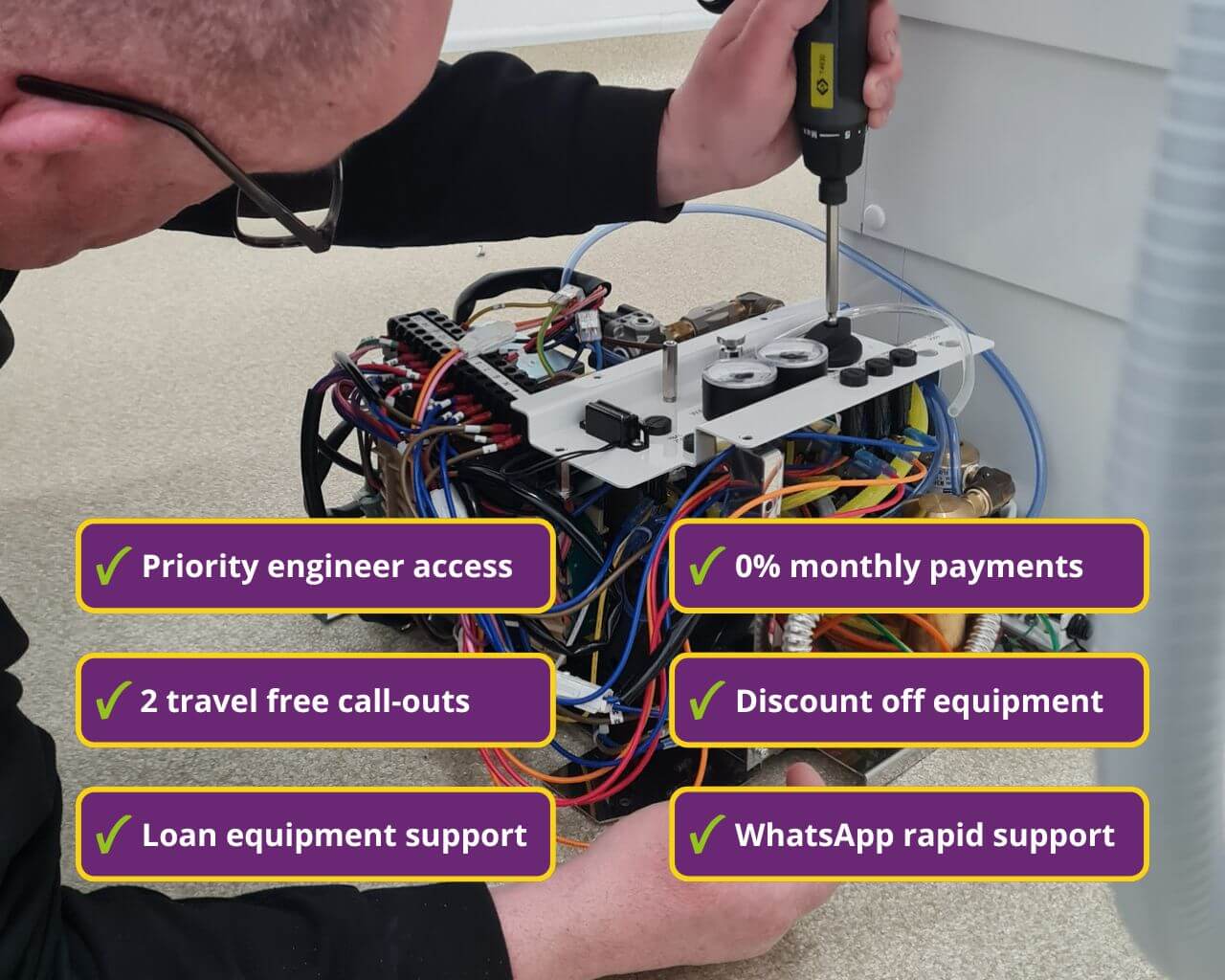
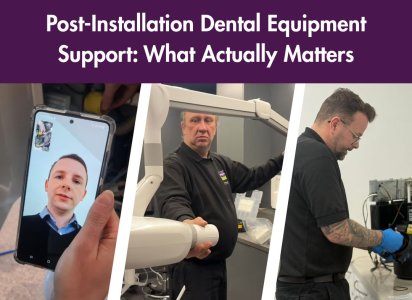
With Eclipse’s remote equipment support, your team can use phone or WhatsApp video to help narrow down the issue.
The service team may ask you to check accessible filters, look for an error code, confirm whether equipment has power or identify an obvious blockage or reset.
Some issues can be resolved remotely. Photos and video can also help the engineer understand the likely problem before they arrive.
You can see an example in our article on how remote support helped resolve an equipment problem.
When an engineer does need to attend, the information gathered beforehand gives them a much better starting point.
Your team does not need to diagnose technical faults.
A few simple habits can make support much easier.
Check whether the affected unit is the compressor, suction pump, treatment centre, autoclave or another piece of equipment.
If you are unsure, send a photo or video.
This matters more than you might think. Our service team has received compressor fault reports where the affected equipment was actually the suction pump.
Make a note of:
A clear service history helps your team and your engineer see what work has already been completed and when the next service is due.
This becomes especially useful when a new practice manager takes over responsibility for equipment records.
Our Dental Equipment Care & Maintenance Planner can help you keep routine checks, servicing and equipment information organised in one place.
Follow the manufacturer’s instructions and the checks recommended for your equipment.
Simple cleaning, inspection and accessible filter checks can help reduce avoidable problems.
Intermittent faults, unusual sounds or falling performance can provide useful clues before equipment fails completely.
We’ve created four practical fault-finding guides to help your team work through safe operator checks.
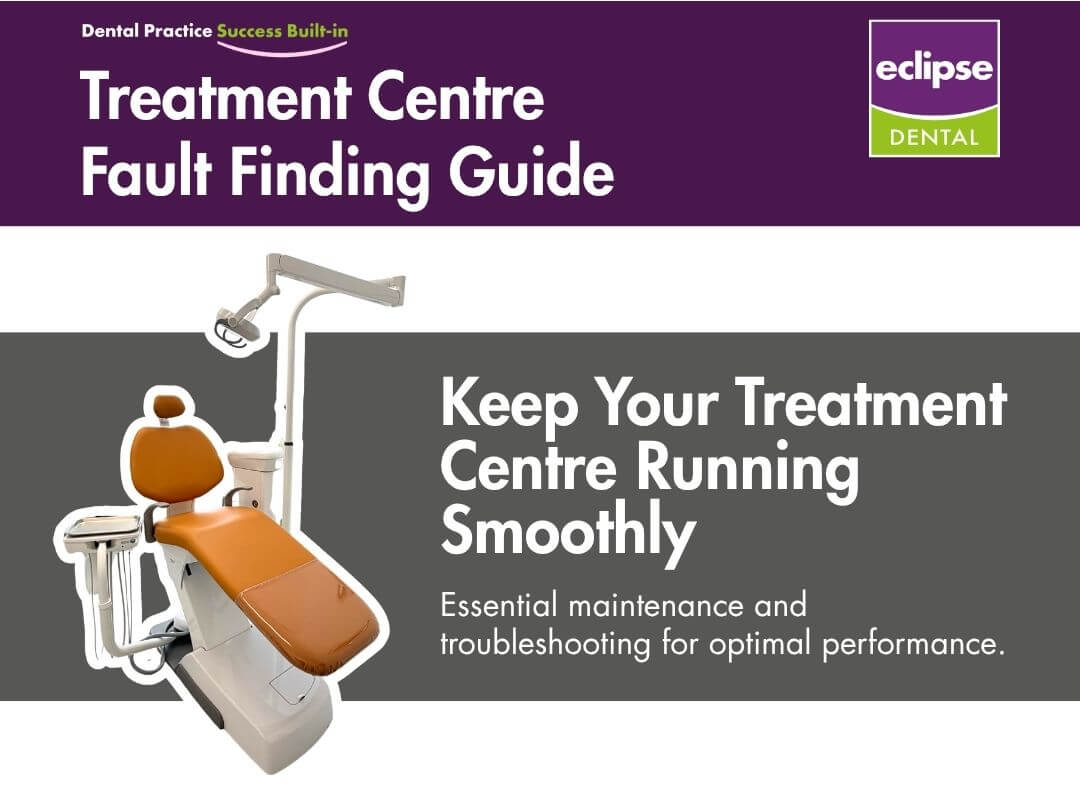
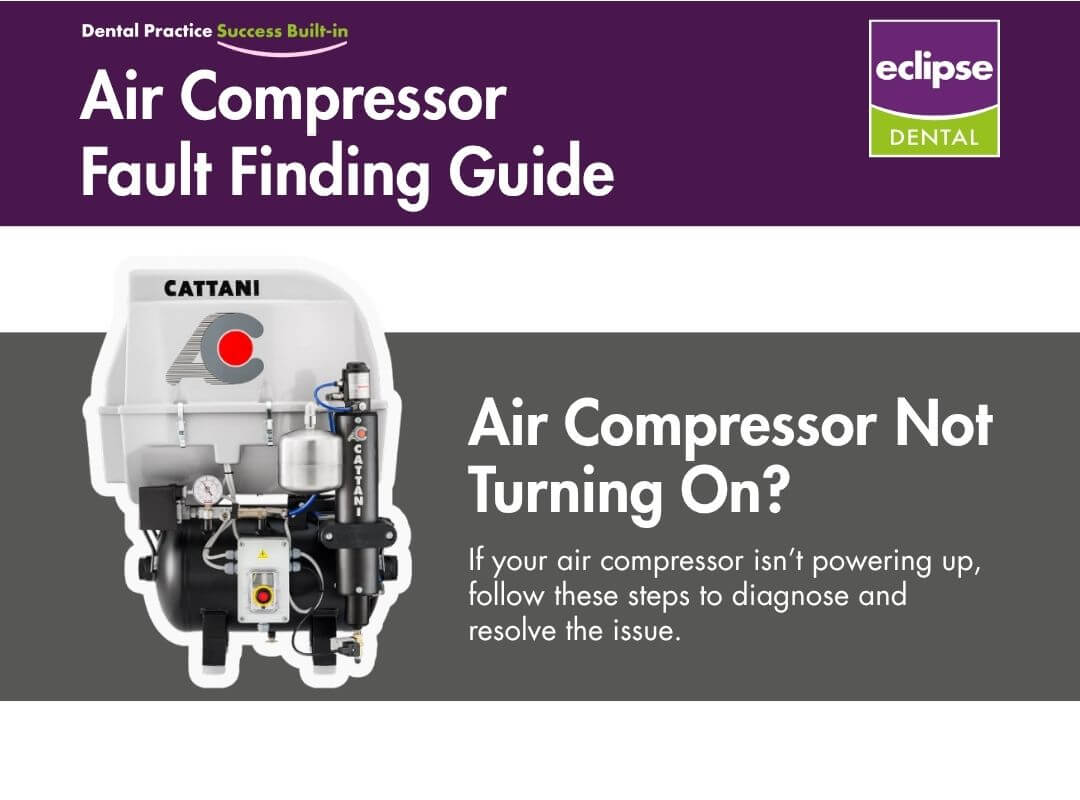
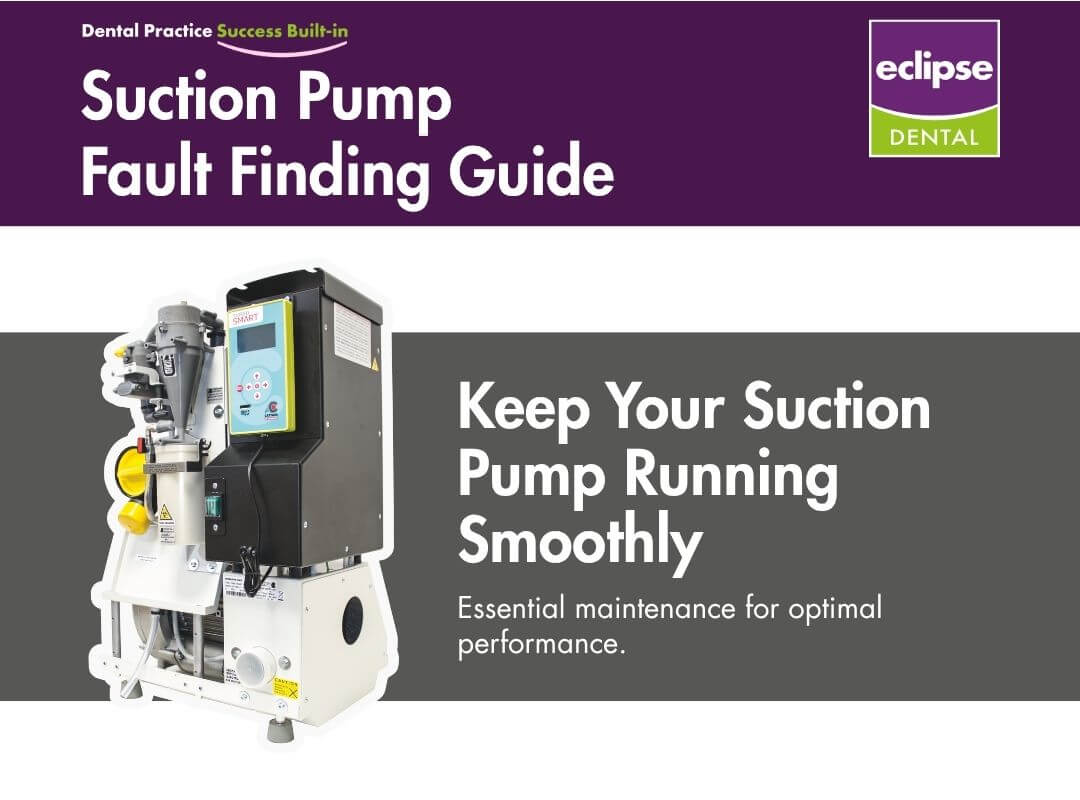
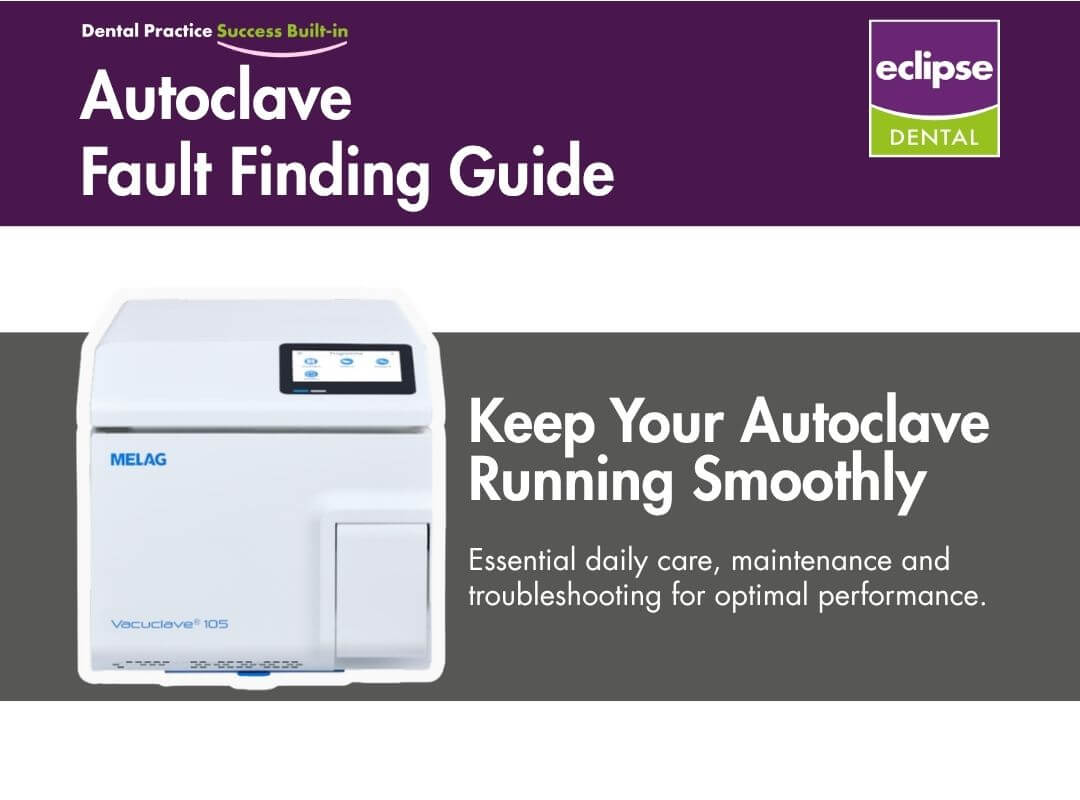
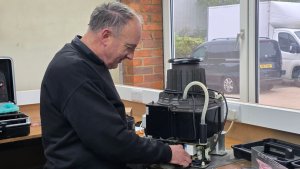
Dental engineering combines practical technical knowledge with fault diagnosis, equipment training and good communication.
As Tim Boyt, Technical Director at Eclipse Dental Engineering, explains:
“The first thing is basic electrical knowledge. Plumbing helps too, along with some basic mechanical knowledge. From there, we can train a prospective engineer.”
That combination reflects the range of systems found inside a dental practice.
An engineer may need:
From there, experience becomes increasingly important.
Engineers learn how different systems behave in real practices, how faults present themselves and how equipment interacts with the wider clinical environment.
If you are interested in the career itself, you can also read more about working in dental engineering at Eclipse.
There is no way to remove every equipment fault.
Good maintenance can reduce the risk of avoidable disruption and help you spot problems earlier.
| What to do | Why it helps |
|---|---|
| Plan regular servicing | Gives equipment routine technical attention |
| Complete operator checks | Helps spot visible problems early |
| Keep records organised | Makes servicing and fault history easier to track |
| Report changes early | Gives engineers useful warning signs |
| Give clear fault information | Helps support teams diagnose problems faster |
| Know who to contact | Reduces delays when something goes wrong |
If you want a more structured approach, EclipseCare can help you plan preventative maintenance and servicing around the equipment in your practice.
For your team, the practical starting point is straightforward:
Every treatment day depends on engineering somewhere in the background.
From the equipment inside your surgery to the plant room supplying air and suction, these systems need to work together reliably.
National Engineering Day gives us an opportunity to recognise the people who install, service, diagnose and repair them.
It also gives you a useful reminder to look at the equipment your practice depends on every day.
Service intervals depend on the equipment and manufacturer’s requirements. Your service records should show when each item was last serviced and when the next service is due.
Sometimes. Photos, videos, error codes and WhatsApp video calls can help identify simple problems or give an engineer useful information before attending.
Identify the equipment, describe what has changed and provide any error codes, warning lights, photos or videos available.
This depends on the engineer’s training, but can include treatment centres, suction systems, compressors, autoclaves and imaging equipment.
Eclipse is an amazing company, always responding promptly when we require their assistance. They are providing yearly maintenance and repairs and we were never disappointed.
I had an excellent experience with Eclipse. Their expertise and attention to detail, and professionalism were outstanding from start to finish. The customer service is exceptional, always clear and efficient. I cannot recommend them enough.

Recently moved over to Eclipse from another company and i’m so glad we did. Their pricing is very competitive and they are very good with communication unlike the previous company we were using. We recently had our servicing completed and were very happy! Highly recommend this company!
We highly recommend Eclipse Dental to any dental practice looking for high quality equipment and reliable support. From supplying our dental chairs, CBCT scanner and autoclave to helping us set up our clinic within a very short time frame, it’s been a great experience working with them.
Always responsive, always helpful and have got us out of trouble in a matter of hours on many an occasion! Consistently good service and knowledgeable engineers at reasonable prices. Have already recommended to colleagues.

I have used them for the first time in recent months for a complicated project in carrying out a practice refurbishment. Eclipse were meticulous and brilliant. Very knowledgable engineers and a beautiful finish to my practice. They really are a family based business who will look after you. Very professional company and will definitely keep using them.

I had my 2 surgery practice completely stripped out and services repositioned with new flooring, new equipment and redecorated. They kept to the agreed time scale and we were up and running in our state-of-the-art new surgery. Thank you Eclipse and I will be using your services again.

I did a lot of research looking for a dental fit-out company before I came across Eclipse Dental. They designed the surgery exactly the way I wanted it to look which suits my requirements perfectly. The final result was phenomenal, just phenomenal!

The engineers that attend our practice are very knowledgeable and always act in a professional manner. If we have an emergency situation John Boyt always tries his best to fit us in. I have no hesitation in recommending Eclipse Dental Engineering to you for all your servicing and breakdown needs.
Eclipse listened to my ideas, they added a lot to them and improved my initial design. They had loads of realistic and creative ideas for a 21st century dental practice! Two surgeries were refurbished on time without any interruption of our clinics.

We would highly recommend the awesome Eclipse team who guided us through the design process, finishing touches and colour schemes. Their ability to combine build works with equipment and dental engineering makes it so much easier and better value.

I am very pleased with the result, it is of a high quality and surpassed my expectations, on the strength of the work done I commissioned some extra wall cabinetry. The whole process was hassle-free and I would be very happy to recommend Eclipse to my friends in the business.
We used Eclipse recently in an emergency as we had equipment failure. They were very quick to respond to our call and were able to get us working again within 2 hours. The engineer was very friendly and professional and I would highly recommend this company.

I would like to express my gratitude to you and your team for your professionalism and prompt response when our dental chair packed up. You attended the same day, removed the damaged chair and installed a rental to allow us to continue practising.
Having dealt with many fit-out companies over the years, Eclipse Dental has been one of the most professional, dependable and sincere companies I have ever worked with. I would not hesitate to use their services again.

Excellent service, Eclipse have worked tirelessly for us and have always come out same day if we have a problem stopping us working. Thanks to all at Eclipse.

Their awareness of CQC regulations regarding equipment relocation and our necessity to minimise downtime was brilliant. We would like to recommend Eclipse Dental to anyone considering a refurbishment or relocation.

Very happy with the service and reliability of the team. From the beginning to the end, everyone was always helpful and very kind. I definitely will recommend Eclipse Dental!
I liked how swiftly the projects were done. Everything was managed, everything was timed and everything was coordinated. And every day we saw something happening. It was very exciting.

The quality of craftsmanship was exceptional—the cabinetry, flooring and all custom elements were made precisely to our specifications and aligned perfectly with our vision for the space.

Brilliant. Just professional! Complete refit of surgery. Flawless.

The boys did well! We didn’t give them much time to prepare but they did a great job, extremely pleased.

We have had the chairs for some time now and are happy with them. They serve what we need them for. The aftercare service is excellent

Eclipse are very flexible and listen to your needs. We are very impressed with the quality of workmanship they delivered. I would not hesitate to continue recommending Eclipse.
Eclipse were always accommodating of any requests and would always go the extra mile. I look forward to working with them for many years to come.

We are delighted with the end result. The practice looks good and, more importantly, works ergonomically and efficiently.