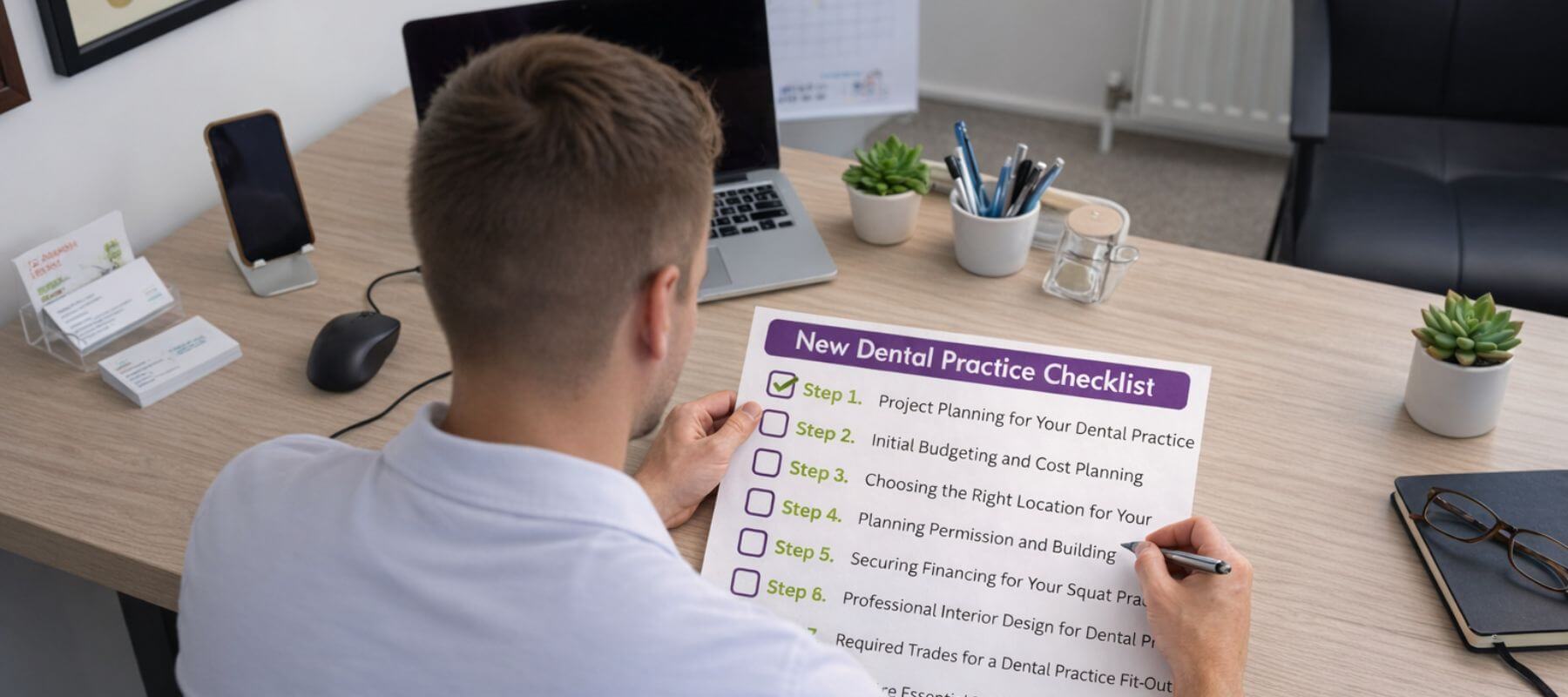
Starting a new dental practice is a big move. This guide gives you a clear, start-to-finish overview of the full setup process, without overwhelming you.
Each step is deliberately brief. Behind every stage sits a more detailed guide, worksheet or checklist you can use when you are ready to go deeper.
We have delivered and supported squat dental practices, from early feasibility through to fit-out, equipment installation and long-term maintenance. Our advice is grounded in live projects, real budgets and real-world constraints, backed up by documented case studies from practices that are now trading successfully.
By following this guide, you will:
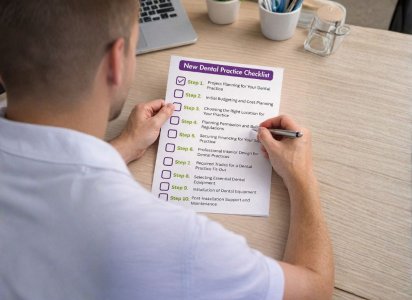
Throughout the guide, you can download practical tools, including the Squat Dental Practice Setup Checklist and our Step-by-Step Guide to Starting a Squat Dental Practice ebook.
These are designed to help you move from idea to opening day with confidence, structure and control.
Many squat dental practices struggle not because of ambition, but because key decisions are made too late or in the wrong order.
Common pressure points include:
Speed often feels productive early on, but it usually creates rework, delays and extra cost later. Clear planning gives you control.
It helps you sequence decisions properly, lock in budgets at the right time and keep regulatory requirements aligned with your build and equipment choices.
This guide focuses on preparation first, so when you do move quickly, you are doing it with confidence rather than guesswork.
Strong project planning keeps your build on track, your budget controlled and your decisions in the right order.
Start by mapping the full journey from initial idea to opening day. This gives you visibility on what needs to happen, and when.
Focus on:
Use templates such as a Budget Estimator Worksheet and Business Plan Template to keep assumptions clear and documented from day one.
Early decisions lock in long-term outcomes. This is where many squat practices create problems without realising it.
Be clear on:
Good project planning balances cost, quality and timing, rather than optimising one at the expense of the others.
Budgeting at this stage is about direction, not perfection. The goal is to understand scale, pressure points and viability.
Your early budget should set realistic expectations without drowning you in detail.
At this stage:
This approach helps you test feasibility before time and money are locked in.
Start with our Cost Calculator to estimate a high-level budget range.
Then use our Budget Calculator Spreadsheet to list all potential expenses. This is a Google Sheet, but you can contact us for an Excel worksheet version.
An indicative budget gives you clarity early on, and the flexibility to adapt as your squat practice moves from concept to reality.
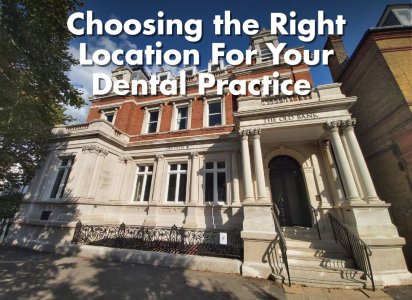
Your location directly affects demand, visibility and long-term growth. The right site supports your business model. The wrong one limits it from day one.
Start with the people, not the property.
Review:
This tells you whether the area can sustain your services, not just whether space is available.
Next, assess how patients will find and reach you.
Consider:
Lower rent rarely offsets poor visibility or access.
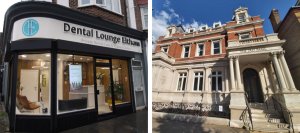
The style and previous use of a building shape how your practice is perceived and how easily it can operate.
Think about:
Our ebook includes a clear comparison table outlining the pros, cons and typical budget ranges for each property type.
Many location issues only become obvious after contracts are signed.
Avoid:
To support this step, use our Choosing the Right Location worksheet to assess:
A structured location review helps you commit with confidence rather than relying on instinct alone.
Planning and compliance decisions determine what you can build and how smoothly your project progresses. Mistakes here usually mean delays and redesign.
Before committing to a site, confirm that it can legally operate as a dental practice.
Key points to check:
A pre-application discussion often saves time and avoids unnecessary redesign later.
Building regulations ensure your practice is safe, accessible and clinically compliant.
Design must address:
Your practice must also meet the requirements of the Care Quality Commission and comply with HTM 01-05 for infection control and decontamination. Designing for inspection readiness reduces last-minute changes and failed approvals.
Our Building Regulations Checklist highlights the planning, building control and healthcare requirements specific to UK dental practices.
It helps you identify risks early, prepare the right documentation and keep your project moving without avoidable delays.
Once your plan and indicative budget are in place, the next step is funding the build, equipment and early operation of your practice.
This stage is about proving viability, not just raising money.

Before approaching lenders, tighten your numbers.
You should:
Go back to the Budget Calculator Spreadsheet and use the Detailed Cost Analysis and Expenses tabs to ensure all costs are captured clearly and consistently.
Lenders will expect a clear split between upfront and recurring spend.
Initial investments typically include:
Ongoing expenses typically include:
Different funding routes suit different practice models.
Common options include:
Lenders will assess:
Industry-specific professionals can strengthen your position:
Clear numbers, realistic assumptions and documented planning make financing conversations faster, smoother and more productive.
Well-planned interior design supports efficient workflows, regulatory compliance and a positive patient experience. Decisions made at this stage are difficult and expensive to reverse later.
From concept to completion, you should design for efficiency, compliance and a welcoming atmosphere.
Your layout should support:
Our expert designers create spaces that work for you, your team and your patients, balancing clinical performance with everyday usability.
Design development translates functional requirements into a clear visual and practical direction.
This includes:
2D layouts map cabinetry and dental chair positions, while 3D visuals help you understand how key areas will feel before build begins.
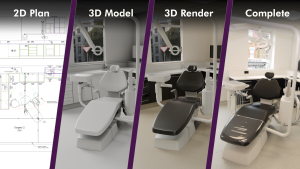
This stage benefits from early specialist input. Small design decisions here have a major impact on workflow, compliance and patient perception.
Our team specialises in dental practice interior ideas, technical planning and patient-focused design.
We’ll discuss your goals, explore design options and guide you through finishes, concepts and layouts suited to surgeries, reception spaces and decontamination rooms.
We’ll discuss your goals, explore design options and guide you through finishes, concepts and layouts suited to surgeries, reception spaces and decontamination rooms.
Eclipse Dental is committed to protecting and respecting your privacy, and we’ll only use your personal information to administer your account and to provide the products and services you requested from us. From time to time, we would like to contact you about our products and services, as well as other content that may be of interest to you.
You can unsubscribe from these communications at any time. For more information on how to unsubscribe, our privacy practices, and how we are committed to protecting and respecting your privacy, please review our Privacy Policy.
Explore how thoughtful dental practice interior design transforms the feel and flow of a clinical space.
A dental fit-out relies on the right trades, in the right order, with experience of clinical environments. This is where many projects lose time and budget.
Dental practices require more than standard construction skills.
You will typically need:
General contractors without dental experience often underestimate complexity, leading to delays, redesign and failed inspections.
Fit-out work must be carefully sequenced.
Poor coordination leads to:
Clear scheduling and oversight prevent rework and keep the programme moving.
If you are unsure which trades are required or how to coordinate them effectively, this is the right stage to ask for guidance.
We employ a team of multi-trade builders with direct experience in dental practice fit-outs, helping ensure work is completed efficiently, compliantly and in the correct sequence.
Equipment choices affect clinical standards, workflow, patient comfort and long-term running costs. Decisions made here should support both how you work now and how you plan to grow.
Avoid selecting equipment based only on immediate cost.
Think about:
Early equipment decisions can lock you into limitations that are expensive to change later.
To support this step, see our article on the 12 Dental Equipment Essentials, which breaks down the core items every new practice needs and explains how to prioritise specification without overspending.
This helps you build a compliant, efficient equipment list that supports both day-one operation and long-term performance.
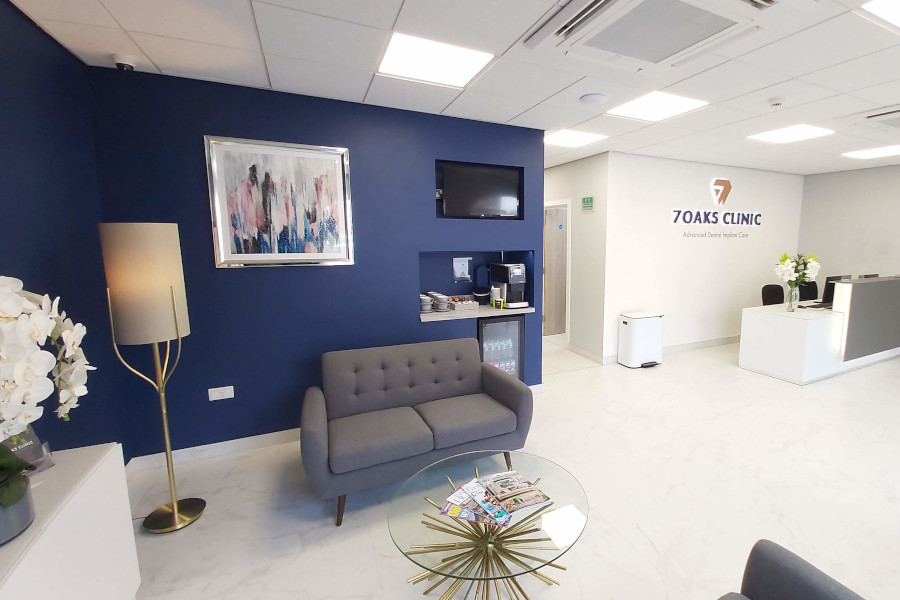
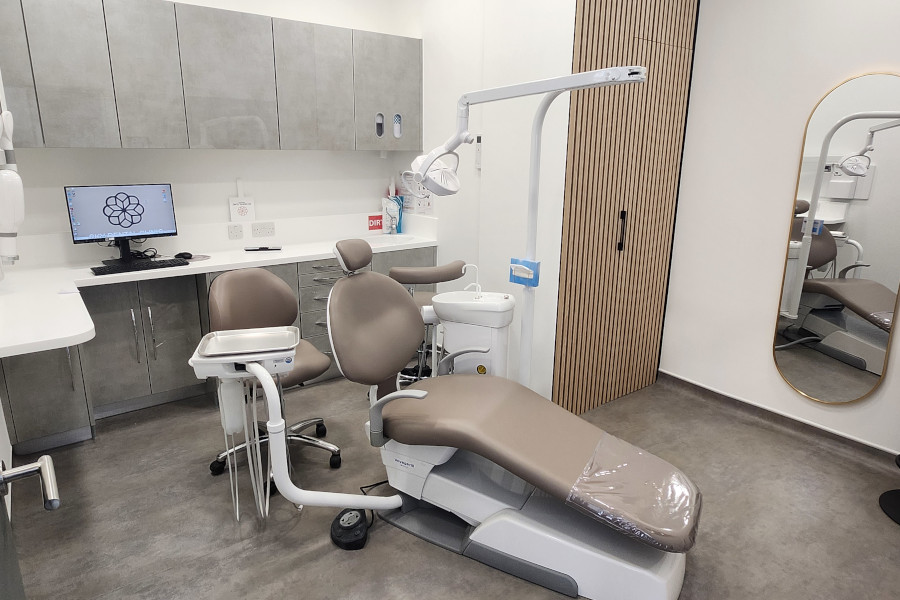
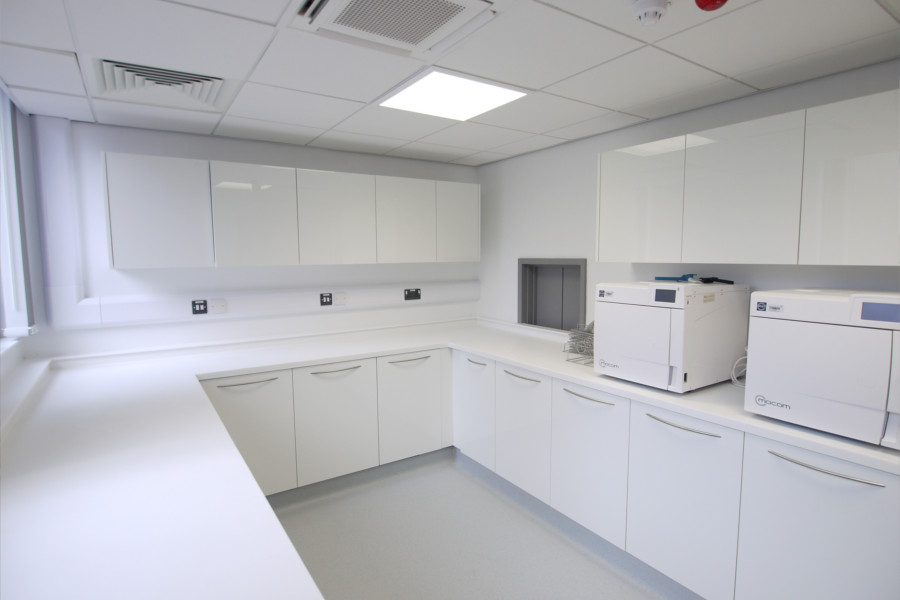
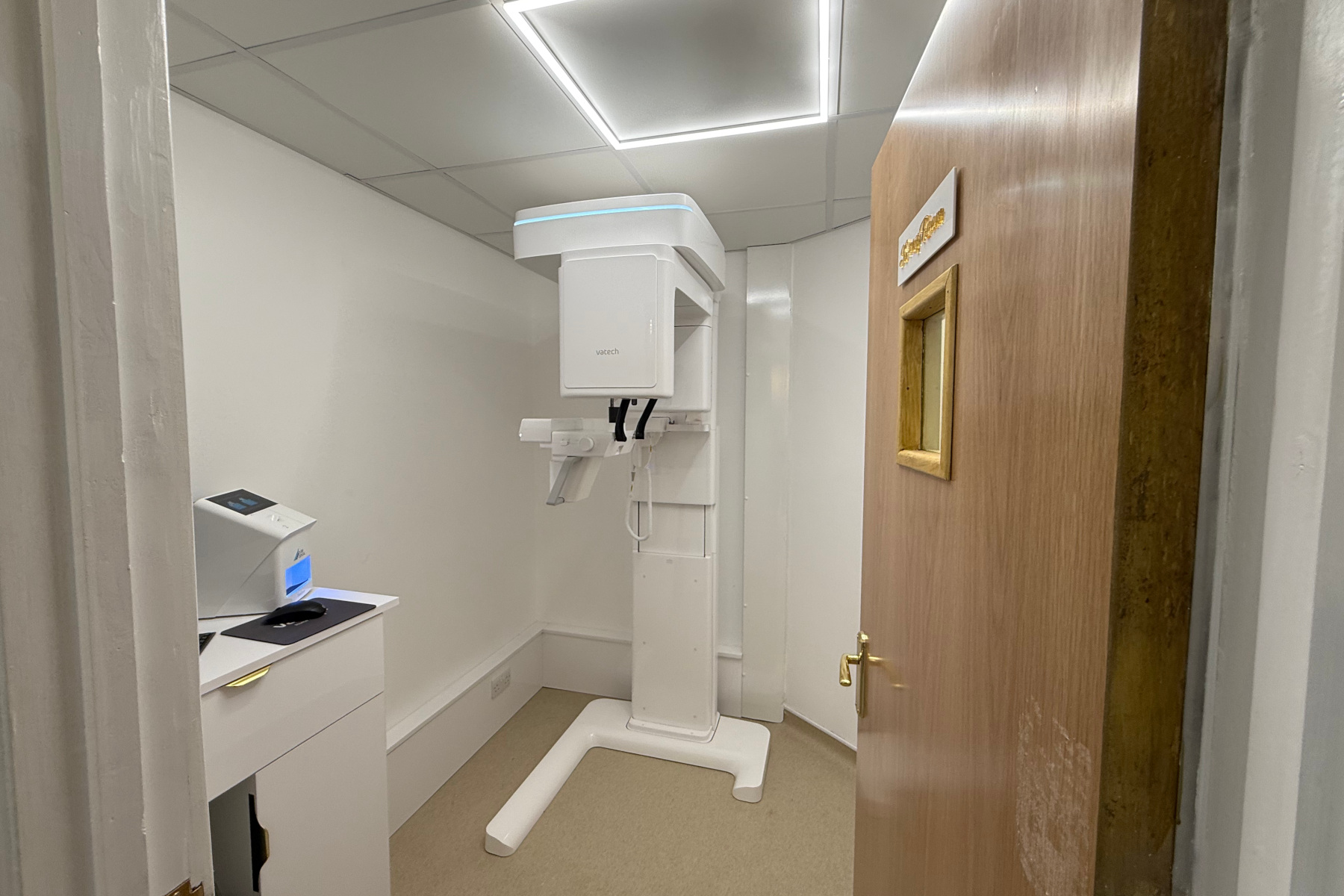
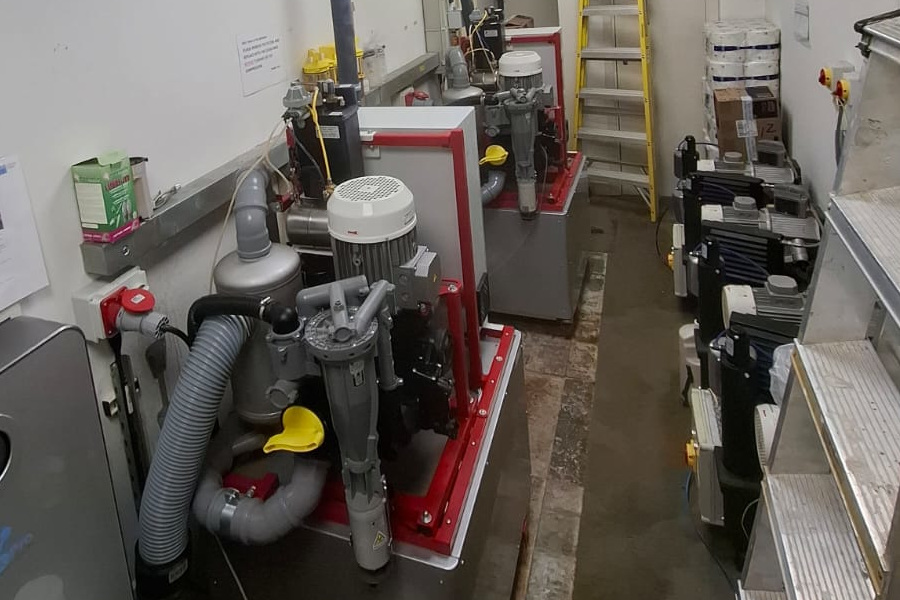
Correct installation is critical to safety, compliance and long-term performance.
Dental equipment must be installed by qualified technicians.
Certified installation ensures:
Incorrect installation often leads to faults, failed inspections and unnecessary downtime.
For best practice installation and setup, this is the stage to involve experienced dental engineers who understand both the equipment and the clinical environment.
Installation should include proper handover and training.
This helps:
Clear training allows your team to work efficiently from day one.
Ongoing support protects your investment and keeps your practice running smoothly.
Regular servicing helps:
Planned schedules reduce disruption and avoid emergency repairs.
Your service provider should offer:
After installation, we remain in close contact to resolve any snagging issues, ensuring all systems perform as intended and any adjustments are made promptly.
Strong post-installation support helps your practice meet current standards while staying resilient as demands change.
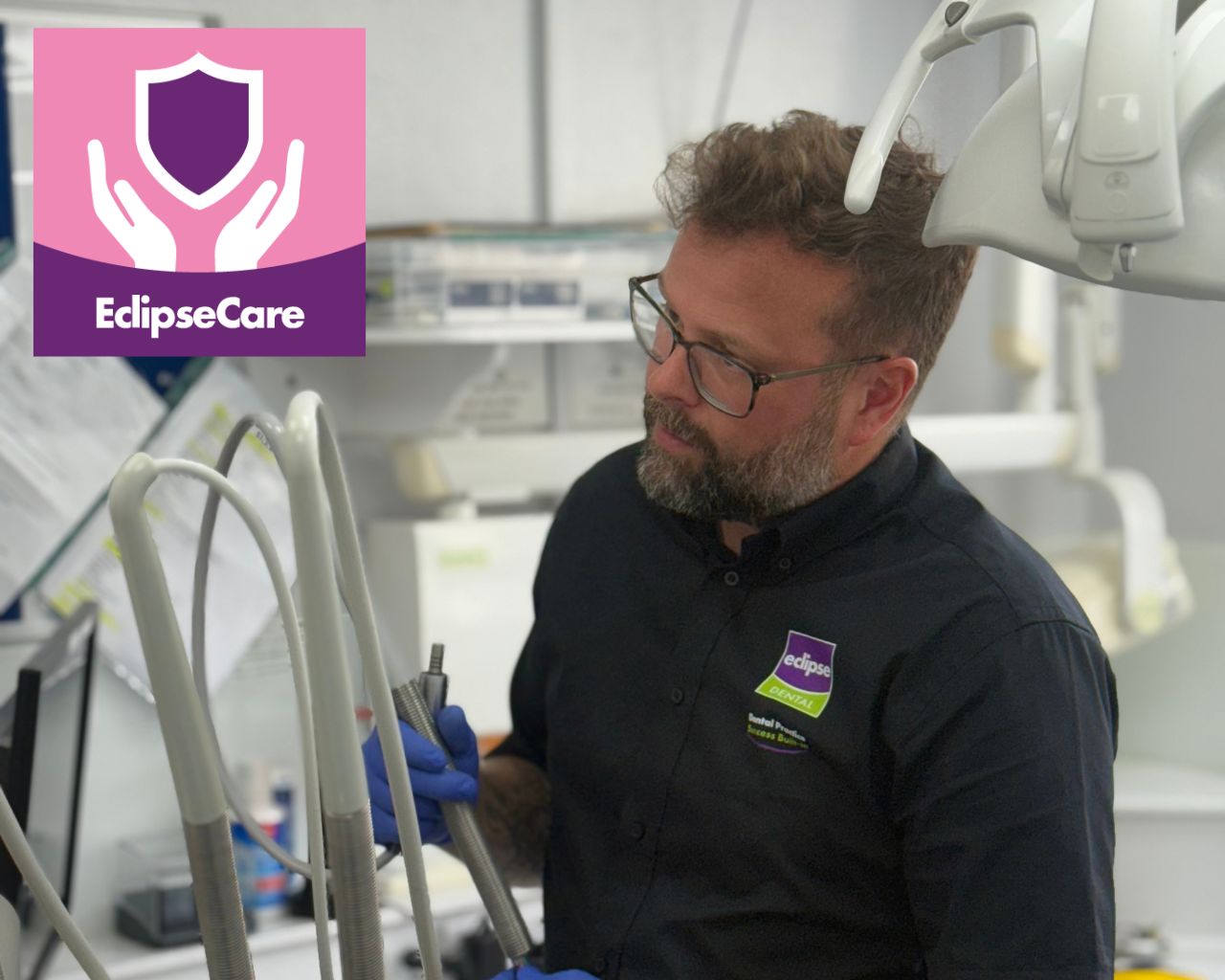
We provide ongoing support through EclipseCare, with maintenance schedules tailored to your practice.
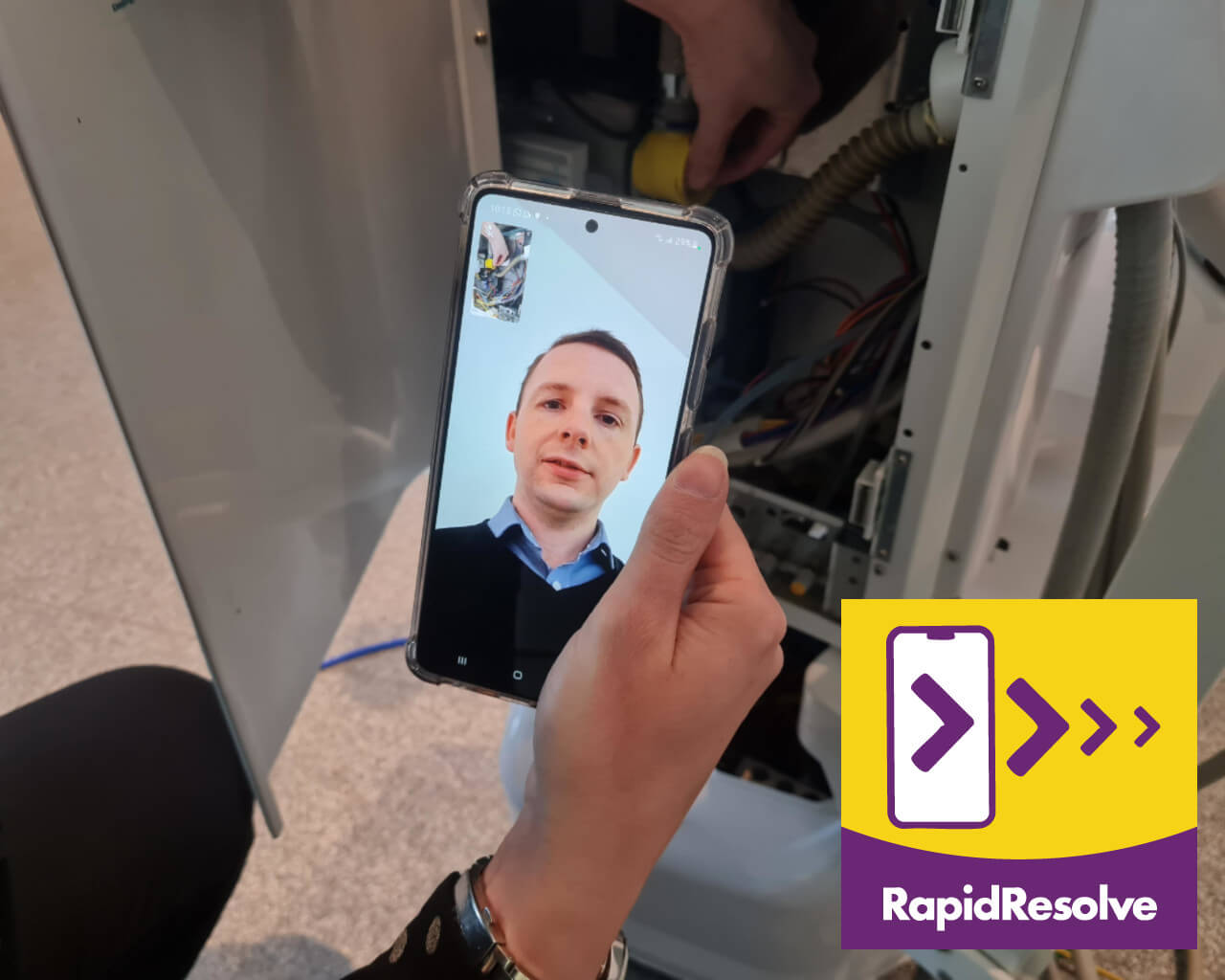
Our RapidResolve remote support service enables many issues to be diagnosed and fixed quickly without the need for an on-site visit, helping minimise downtime and keep surgeries running.
Setting up a squat dental practice involves hundreds of decisions, many of which are easy to miss until they create delays or extra cost.
Our downloadable checklists give you a clear, structured way to plan each stage and keep critical documentation under control.
Each checklist focuses on a specific part of the setup process, helping you track decisions, requirements and progress.
Available resources include:
These cover everything from room layouts and workflows to compliance, approvals and record keeping.
All checklists are supplied as editable PDFs that you can:
This makes it easier to stay organised and maintain oversight as plans evolve.
To support financial planning, you can also access:
These tools help you capture assumptions, test scenarios and present clear information to lenders or partners.
For a broader view of the process, our Step-by-Step Guide to Starting a Squat Dental Practice ebook brings everything together, showing how each stage links and what to focus on next.
Using structured documentation reduces risk, improves decision-making and helps keep your practice setup on track from start to finish.
Most squat practices take between 9 and 18 months from initial planning to opening day. Timelines vary depending on property selection, planning permission, building works and equipment lead times.
Costs vary widely based on location, size and specification. A clear indicative budget is essential early on, with figures refined as design, equipment and build details are confirmed.
In many cases, yes. A change of use may be required depending on the property’s previous classification. Early engagement with the local planning authority helps identify requirements and risks.
You will typically need building control sign-off, fire safety approval and registration with the Care Quality Commission before treating patients.
Not all buildings are suitable. Planning constraints, accessibility, ventilation and structural limitations can restrict what is possible. Property assessment should happen before contracts are signed.
Common issues include underestimating costs, choosing the wrong location, rushing planning approvals and failing to coordinate design, build and equipment decisions.
Yes. Dental practices require specialist builders and engineers familiar with clinical services, compliance standards and equipment installation.
Ongoing equipment servicing, compliance documentation and responsive technical support help maintain performance and reduce disruption once the practice is operational.

I have used them for the first time in recent months for a complicated project in carrying out a practice refurbishment. Eclipse were meticulous and brilliant. Very knowledgable engineers and a beautiful finish to my practice. They really are a family based business who will look after you. Very professional company and will definitely keep using them.

I had my 2 surgery practice completely stripped out and services repositioned with new flooring, new equipment and redecorated. They kept to the agreed time scale and we were up and running in our state-of-the-art new surgery. Thank you Eclipse and I will be using your services again.

I did a lot of research looking for a dental fit-out company before I came across Eclipse Dental. They designed the surgery exactly the way I wanted it to look which suits my requirements perfectly. The final result was phenomenal, just phenomenal!

The engineers that attend our practice are very knowledgeable and always act in a professional manner. If we have an emergency situation John Boyt always tries his best to fit us in. I have no hesitation in recommending Eclipse Dental Engineering to you for all your servicing and breakdown needs.
Eclipse listened to my ideas, they added a lot to them and improved my initial design. They had loads of realistic and creative ideas for a 21st century dental practice! Two surgeries were refurbished on time without any interruption of our clinics.

We would highly recommend the awesome Eclipse team who guided us through the design process, finishing touches and colour schemes. Their ability to combine build works with equipment and dental engineering makes it so much easier and better value.

I am very pleased with the result, it is of a high quality and surpassed my expectations, on the strength of the work done I commissioned some extra wall cabinetry. The whole process was hassle-free and I would be very happy to recommend Eclipse to my friends in the business.
We used Eclipse recently in an emergency as we had equipment failure. They were very quick to respond to our call and were able to get us working again within 2 hours. The engineer was very friendly and professional and I would highly recommend this company.

I would like to express my gratitude to you and your team for your professionalism and prompt response when our dental chair packed up. You attended the same day, removed the damaged chair and installed a rental to allow us to continue practising.
Having dealt with many fit-out companies over the years, Eclipse Dental has been one of the most professional, dependable and sincere companies I have ever worked with. I would not hesitate to use their services again.
Excellent service, Eclipse have worked tirelessly for us and have always come out same day if we have a problem stopping us working. Thanks to all at Eclipse.

Their awareness of CQC regulations regarding equipment relocation and our necessity to minimise downtime was brilliant. We would like to recommend Eclipse Dental to anyone considering a refurbishment or relocation.
Very happy with the service and reliability of the team. From the beginning to the end, everyone was always helpful and very kind. I definitely will recommend Eclipse Dental!
I liked how swiftly the projects were done. Everything was managed, everything was timed and everything was coordinated. And every day we saw something happening. It was very exciting.

The quality of craftsmanship was exceptional—the cabinetry, flooring and all custom elements were made precisely to our specifications and aligned perfectly with our vision for the space.

Brilliant. Just professional! Complete refit of surgery. Flawless.

The boys did well! We didn’t give them much time to prepare but they did a great job, extremely pleased.

We have had the chairs for some time now and are happy with them. They serve what we need them for. The aftercare service is excellent

Eclipse are very flexible and listen to your needs. We are very impressed with the quality of workmanship they delivered. I would not hesitate to continue recommending Eclipse.
Eclipse were always accommodating of any requests and would always go the extra mile. I look forward to working with them for many years to come.

We are delighted with the end result. The practice looks good and, more importantly, works ergonomically and efficiently.