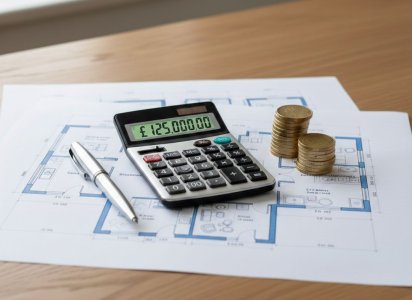
Opening a squat dental practice requires significant investment, and securing the right funding is often one of the most challenging parts of the process.
Even with a strong concept and the right location, lenders need to see clear financial planning before they approve finance.
For a squat practice, this typically means demonstrating how the project will be funded, how the practice will become profitable, and how you plan to manage costs during the early stages when patient numbers are still growing.
Preparing early makes a substantial difference.
A structured business plan, realistic financial forecasts and a clear understanding of your funding options all help lenders assess the viability of your practice and improve your chances of securing finance.
To help you prepare a strong finance application, we’ve created practical planning tools used by many new practice owners:
These tools help you model startup costs, forecast revenue and present lenders with a clear financial strategy.
Before approaching lenders, you need a clear understanding of the financial requirements involved in launching a squat dental practice.
While this article focuses on funding, lenders will still expect you to demonstrate that you understand the scale of the investment and how the project will be financed.
Starting a dental practice involves a combination of upfront investment and ongoing operating costs.
Having a realistic view of these expenses helps you determine how much funding you need and ensures your financial projections are credible.
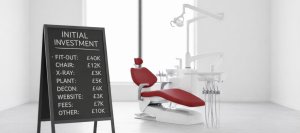
The initial investment required to open a squat dental practice can be significant. Common startup costs include:
Once the practice is operational, ongoing costs must also be factored into your financial planning. These typically include:
Lenders will expect these costs to be reflected clearly in your financial projections.
Demonstrating that you have carefully considered both startup investment and ongoing operating expenses strengthens the credibility of your funding application.
If you want to explore these costs in more detail, see our guides on the Cost of Setting Up a Dental Practice and Initial Budgeting for a Squat Dental Practice.
These articles break down typical investment ranges and budgeting considerations for new practices.
A well-structured business plan is one of the most important documents when seeking funding for a squat dental practice.
Lenders rely on this plan to assess the viability of your project and determine whether the practice is likely to generate enough revenue to support loan repayments.
Your business plan should clearly explain how the practice will operate, who it will serve and how it will become financially sustainable.
It should also demonstrate that you understand the market, the costs involved and the steps required to grow the practice over time.
While every practice is different, most lenders expect a business plan to include several core elements.
Understanding the local market is essential when planning a new dental practice. Your business plan should outline:
This analysis helps lenders evaluate whether the location can support a new practice.
Clearly define the treatments and services your practice will provide. This may include general dentistry, cosmetic treatments, orthodontics or specialist services.
You should also explain how your practice will differentiate itself from nearby competitors, whether through patient experience, technology, specialist services or practice design.
Financial forecasts are a critical part of your business plan. Lenders will review these projections carefully to assess the long-term viability of the practice.
Your financial section should include:
These forecasts should be realistic and supported by the cost modelling and budgeting work completed earlier.
If you are preparing your funding application, our Dental Practice Business Plan Template can help you structure this information clearly and present lenders with a professional, well-organised proposal.
Join dentists and practice managers using our resources to plan, build and run better practices.
You can unsubscribe at any time.
Obtaining the right funding is a critical step when launching a squat dental practice.
Because a new practice starts without an existing patient base, lenders will expect clear financial planning and a well-structured funding strategy.
Rather than relying on a single loan, most squat practices are financed through a combination of funding sources. Understanding how these options work together can help you structure a more realistic and flexible financing plan.
When financing a squat dental practice, dentists typically explore several funding routes.
Banks and healthcare lenders
Traditional bank loans are commonly used to finance major project costs such as premises acquisition, practice fit-out and construction. These lenders can provide substantial funding but usually require strong financial projections and detailed business plans.
Specialist dental finance providers
Some lenders focus specifically on healthcare and dental practices. These organisations understand the operational structure of dental clinics and often offer financing packages tailored to equipment, imaging systems and surgery installations.
At Eclipse Dental, we work with trusted finance partners who support dentists throughout the funding process.
Braemar Finance is a well-established name in the dental finance sector with more than 30 years of experience. As part of a major UK banking group and FTSE 250 company, Braemar offers specialist knowledge of dental projects and provides local support through regional account managers across the UK.
We also work with Performance Finance, a specialist broker that helps dentists by providing finance such as lease, business/personal loans and hire purchase facilities for professionals.
Exploring these options carefully helps you identify a funding structure that aligns with your project costs, repayment capacity and long-term business plans.
Most squat dental practices combine several forms of finance rather than relying on a single loan. Different funding sources are often used for different parts of the project.
| Funding Source | Typical Purpose |
|---|---|
| Bank or healthcare loan | Property acquisition and practice fit-out |
| Asset finance | Dental equipment and treatment chairs |
| Specialist lenders | Imaging systems and advanced technology |
| Personal investment | Deposits or early-stage cash flow |
| Working capital facilities | Staff salaries and operational costs |
This blended approach allows dentists to structure borrowing in a way that aligns with the lifecycle of the practice and the expected return from different investments.
Regardless of the funding route you pursue, lenders will carefully assess your finance application before approving any borrowing.
When evaluating a dental practice finance application, lenders consider several factors to determine whether the project is financially viable.
They will review the overall strength of the business plan, the proposed services and the projected revenue of the practice. Demonstrating that the practice can generate sufficient income to service the requested finance is one of the most important considerations.
Lenders also assess the financial background of the applicant. This typically includes reviewing the credit history of the business and its shareholders to ensure there is no adverse credit information that may affect repayment reliability.
In addition to this, lenders evaluate the broader viability of the project, including market demand, location, competition and the scale of the investment required.
By analysing these factors, lenders can determine the level of risk involved and whether the funding application is feasible.
To strengthen your application, it is important to prepare clear financial projections and supporting documentation.
Our article How to Secure Financing for Your Dental Practice provides further guidance on the information lenders typically expect when reviewing a finance proposal.
Securing funding is a major milestone when starting a squat dental practice, but long-term success depends on careful planning beyond the initial finance application.
Lenders, investors and practice owners all want to see a clear strategy that supports sustainable growth and long-term profitability.
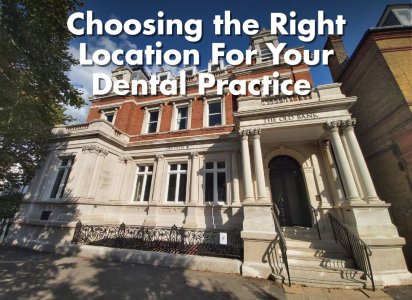
One of the most important strategic decisions is choosing the right location for your practice.
Location affects both the startup cost of your practice and how lenders evaluate the opportunity.
Practices in high-demand areas may command higher rents or property prices, but they can also present stronger long-term revenue potential.
When assessing finance applications, lenders typically look at several factors related to the proposed location:
Property type can also influence the overall cost and complexity of the project.
Converting a retail unit, residential property or existing healthcare premises may involve different planning permissions, infrastructure upgrades and regulatory requirements.
These factors can affect both the total project budget and the timeline for opening the practice.
If you’re evaluating potential locations, our guide 5 Tips to Find the Right Location for Your Dental Practice explores the key considerations in more detail.
Beyond location, planning for long-term success also requires careful financial and operational planning.
This includes ensuring you have sufficient capital to support the early stages of the practice while patient numbers grow, as well as a realistic plan for expanding services and increasing chair utilisation over time.
Lenders will often review projected revenue growth, expected return on investment and the long-term viability of the practice when assessing funding applications.
Demonstrating a clear strategy for growth helps strengthen both your financial forecasts and your overall business plan.
While starting a squat dental practice requires significant commitment, careful planning can lead to substantial long-term rewards.
With the right location, funding structure and growth strategy in place, many dentists find that building a practice from the ground up allows them to create a clinic that reflects their vision, supports their team and delivers exceptional care to patients.

While clinical expertise is essential, launching a successful squat dental practice often requires support from professionals with experience in finance, compliance and business planning.
Working with the right advisers can help you structure your funding application correctly, manage financial risks and ensure the practice is set up in line with regulatory requirements.
Bringing experienced specialists into the process early can also help identify potential issues before they affect funding approval or delay the project.
Dental accountants play an important role when planning the financial structure of a new practice.
Their experience within the dental sector allows them to advise on tax efficiency, financial forecasting and business structuring.
They can help you prepare the financial projections lenders expect to see, including revenue forecasts, cost modelling and break-even analysis.
This support can strengthen your funding application and ensure your business plan reflects realistic financial assumptions.
Financial advisers or specialist brokers can also assist in identifying suitable funding solutions. By working with lenders familiar with dental practices, they can help structure finance packages that align with the scale of the project and the expected growth of the practice.
Starting a dental practice also requires careful attention to regulatory compliance.
In England, dental practices must meet the standards set by the Care Quality Commission (CQC), the independent regulator of health and social care services.
Meeting CQC requirements is not only a legal obligation but also an important factor when securing funding.
Lenders often expect to see that the proposed practice will operate within recognised clinical and regulatory standards.
Compliance considerations may include:
Failure to meet regulatory standards can delay practice openings, increase project costs and potentially affect funding approvals.
By working with experienced advisers and staying informed about regulatory requirements, you can reduce risk during the planning process and focus on building a dental practice that operates safely, efficiently and in full compliance with industry standards.

Securing funding for a squat dental practice requires careful preparation, realistic financial planning and a clear understanding of how lenders assess new practice projects.
While the investment can be significant, a well-structured funding strategy supported by strong financial forecasts and a detailed business plan can significantly improve your chances of obtaining finance.
Most successful squat practices combine multiple funding sources and demonstrate clear long-term viability through their location choice, market demand and projected revenue growth.
Preparing this information early allows lenders to evaluate the opportunity with confidence.
If you’re planning a squat dental practice, the right preparation can significantly improve your chances of securing finance.
Our 10-Step Guide to Starting a Squat Dental Practice explains the full process, from early planning and funding preparation through to designing, equipping and opening your practice.
The cost of setting up a squat dental practice varies depending on factors such as location, practice size, equipment requirements and property conversion work. Many new practices require investment in premises, surgery fit-out, dental equipment and working capital during the early stages of operation. A detailed budget and financial forecast are essential when preparing a funding application.
Funding is usually obtained through a combination of sources. This can include bank or healthcare loans, asset finance for dental equipment and specialist lenders familiar with the dental sector. Lenders typically review the business plan, financial projections, credit history and overall viability of the practice before approving finance.
Lenders assess several factors when reviewing a funding application. These often include projected cash flow, the strength of the business plan, the proposed location, expected patient demand and the applicant’s financial background. Demonstrating that the practice can generate sufficient income to service the loan is one of the most important considerations.
Location plays an important role in both project costs and lender confidence. Practices in areas with strong population growth and patient demand may present stronger long-term revenue potential. Lenders often consider accessibility, competition, demographics and whether the property is suitable for conversion into a dental practice.
In some cases lenders may offer high-percentage financing for dental projects, particularly for experienced dentists with strong financial profiles and well-prepared business plans. However, many squat practices still require some level of personal investment or deposit to support the funding structure and reduce lending risk.

I have used them for the first time in recent months for a complicated project in carrying out a practice refurbishment. Eclipse were meticulous and brilliant. Very knowledgable engineers and a beautiful finish to my practice. They really are a family based business who will look after you. Very professional company and will definitely keep using them.

I had my 2 surgery practice completely stripped out and services repositioned with new flooring, new equipment and redecorated. They kept to the agreed time scale and we were up and running in our state-of-the-art new surgery. Thank you Eclipse and I will be using your services again.

I did a lot of research looking for a dental fit-out company before I came across Eclipse Dental. They designed the surgery exactly the way I wanted it to look which suits my requirements perfectly. The final result was phenomenal, just phenomenal!

The engineers that attend our practice are very knowledgeable and always act in a professional manner. If we have an emergency situation John Boyt always tries his best to fit us in. I have no hesitation in recommending Eclipse Dental Engineering to you for all your servicing and breakdown needs.

Eclipse listened to my ideas, they added a lot to them and improved my initial design. They had loads of realistic and creative ideas for a 21st century dental practice! Two surgeries were refurbished on time without any interruption of our clinics.

We would highly recommend the awesome Eclipse team who guided us through the design process, finishing touches and colour schemes. Their ability to combine build works with equipment and dental engineering makes it so much easier and better value.

I am very pleased with the result, it is of a high quality and surpassed my expectations, on the strength of the work done I commissioned some extra wall cabinetry. The whole process was hassle-free and I would be very happy to recommend Eclipse to my friends in the business.
We used Eclipse recently in an emergency as we had equipment failure. They were very quick to respond to our call and were able to get us working again within 2 hours. The engineer was very friendly and professional and I would highly recommend this company.

I would like to express my gratitude to you and your team for your professionalism and prompt response when our dental chair packed up. You attended the same day, removed the damaged chair and installed a rental to allow us to continue practising.
Having dealt with many fit-out companies over the years, Eclipse Dental has been one of the most professional, dependable and sincere companies I have ever worked with. I would not hesitate to use their services again.

Excellent service, Eclipse have worked tirelessly for us and have always come out same day if we have a problem stopping us working. Thanks to all at Eclipse.

Their awareness of CQC regulations regarding equipment relocation and our necessity to minimise downtime was brilliant. We would like to recommend Eclipse Dental to anyone considering a refurbishment or relocation.

Very happy with the service and reliability of the team. From the beginning to the end, everyone was always helpful and very kind. I definitely will recommend Eclipse Dental!

I liked how swiftly the projects were done. Everything was managed, everything was timed and everything was coordinated. And every day we saw something happening. It was very exciting.

The quality of craftsmanship was exceptional—the cabinetry, flooring and all custom elements were made precisely to our specifications and aligned perfectly with our vision for the space.

Brilliant. Just professional! Complete refit of surgery. Flawless.

The boys did well! We didn’t give them much time to prepare but they did a great job, extremely pleased.

We have had the chairs for some time now and are happy with them. They serve what we need them for. The aftercare service is excellent

Eclipse are very flexible and listen to your needs. We are very impressed with the quality of workmanship they delivered. I would not hesitate to continue recommending Eclipse.
Eclipse were always accommodating of any requests and would always go the extra mile. I look forward to working with them for many years to come.

We are delighted with the end result. The practice looks good and, more importantly, works ergonomically and efficiently.