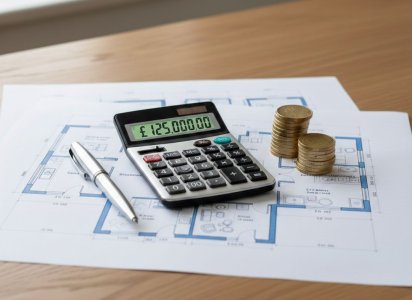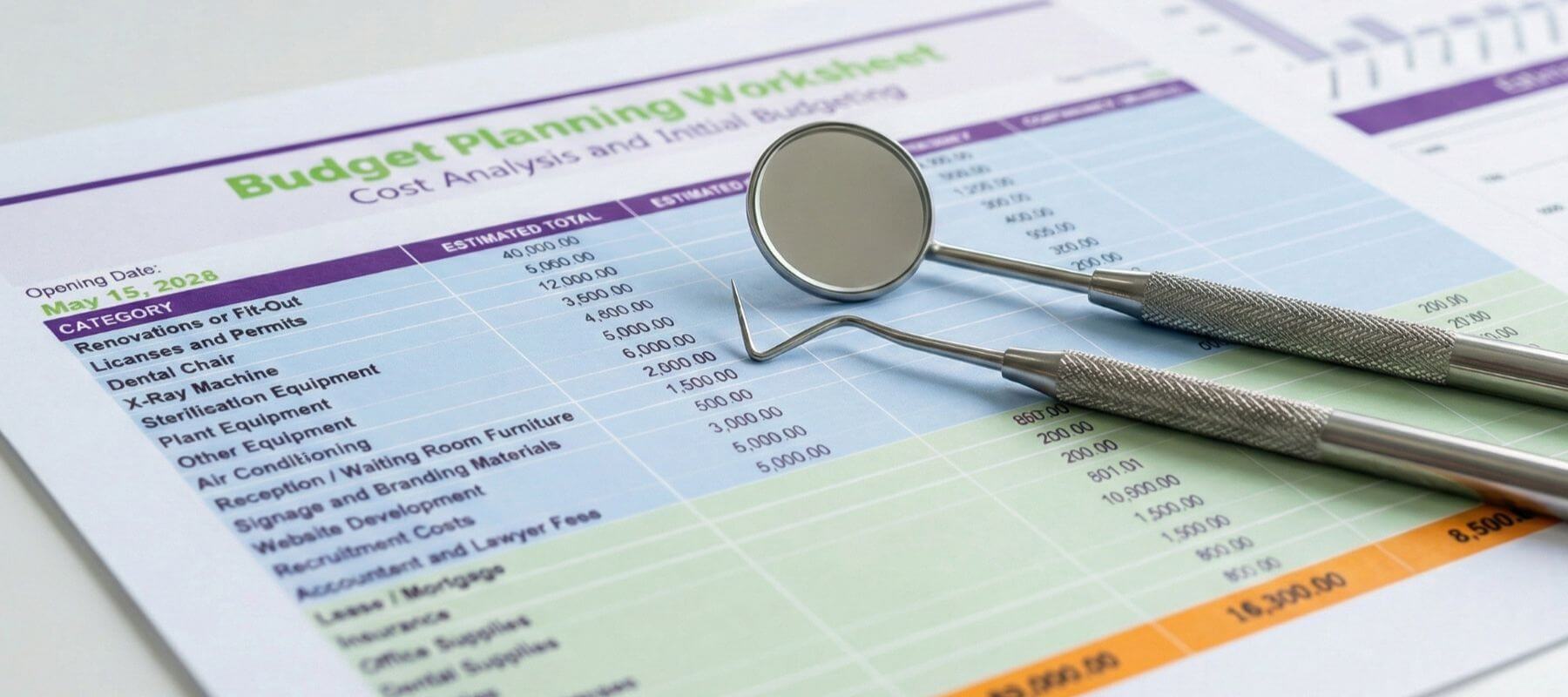
Establishing a realistic budget is one of the most important early decisions when starting a squat dental practice.
At this stage, the goal is not precision. It is clarity.
Good cost analysis gives you a financial framework you can test, refine and stress-check before you commit to sites, funding or suppliers. Poor budgeting creates false confidence early and pressure later.
This article explains how to approach initial budgeting without getting lost in detail.
Your initial budget underpins every other decision you make.
It helps you:
At this stage, budgeting is about direction, not exact figures. The numbers will change. The structure should not.
Most early financial problems come from optimism, not bad intent.
Be aware of these common pitfalls:
New practice owners often focus on visible items such as equipment and fit-out, while underestimating enabling works, professional fees and early operating costs.
Patient numbers build gradually. Conservative income projections reduce pressure and protect cash flow in the first year.
Unexpected delays, building issues or design changes are normal. Without contingency, these become crises.
Equipment is essential, but it is only one part of a much wider cost picture that includes staffing, marketing and compliance.
Your initial budget should highlight these risks rather than hide them.
At this stage, think in categories, not line-by-line detail.
Typically include:
Property decisions often lock in long-term cost commitments, so early assumptions here matter.
Include:
Staffing costs often rise earlier than revenue. Your budget should reflect that reality.
Common items include:
At this stage, you are estimating ranges, not final specifications.
Often underestimated, but critical early on:
Early visibility affects how quickly revenue builds.
Allow for:
These are not optional costs and should be included from the outset.
Ongoing costs such as:
These affect monthly cash flow, not just start-up spend.
Your first budget should be structured, flexible and revisited often.
A practical approach:
This approach avoids false precision while still supporting informed decisions.
If you want a starting point, use our [Budget Calculator Spreadsheet] to list all potential expenses. Contact us for an Excel worksheet version.
Join dentists and practice managers using our resources to plan, build and run better practices.
You can unsubscribe at any time.
Once you have an indicative budget, you can begin meaningful conversations about funding.
Lenders and finance partners want to see:
Your budget does not need to be perfect. It needs to be credible.
For deeper guidance, our articles How to Secure Financing for Your Dental Practice and Finding the Right Funding for Your Squat Dental Practice expand on how budgets support funding discussions.
This initial budget is not your final financial plan.
As you progress, you will:
What matters now is that you are working from a realistic framework rather than assumptions.
Cost analysis and initial budgeting sit at the foundation of every successful squat practice. Get this stage right and later decisions become clearer, calmer and more controlled.
If you would like support structuring an initial budget or sense-checking your early assumptions, you can speak with our team.
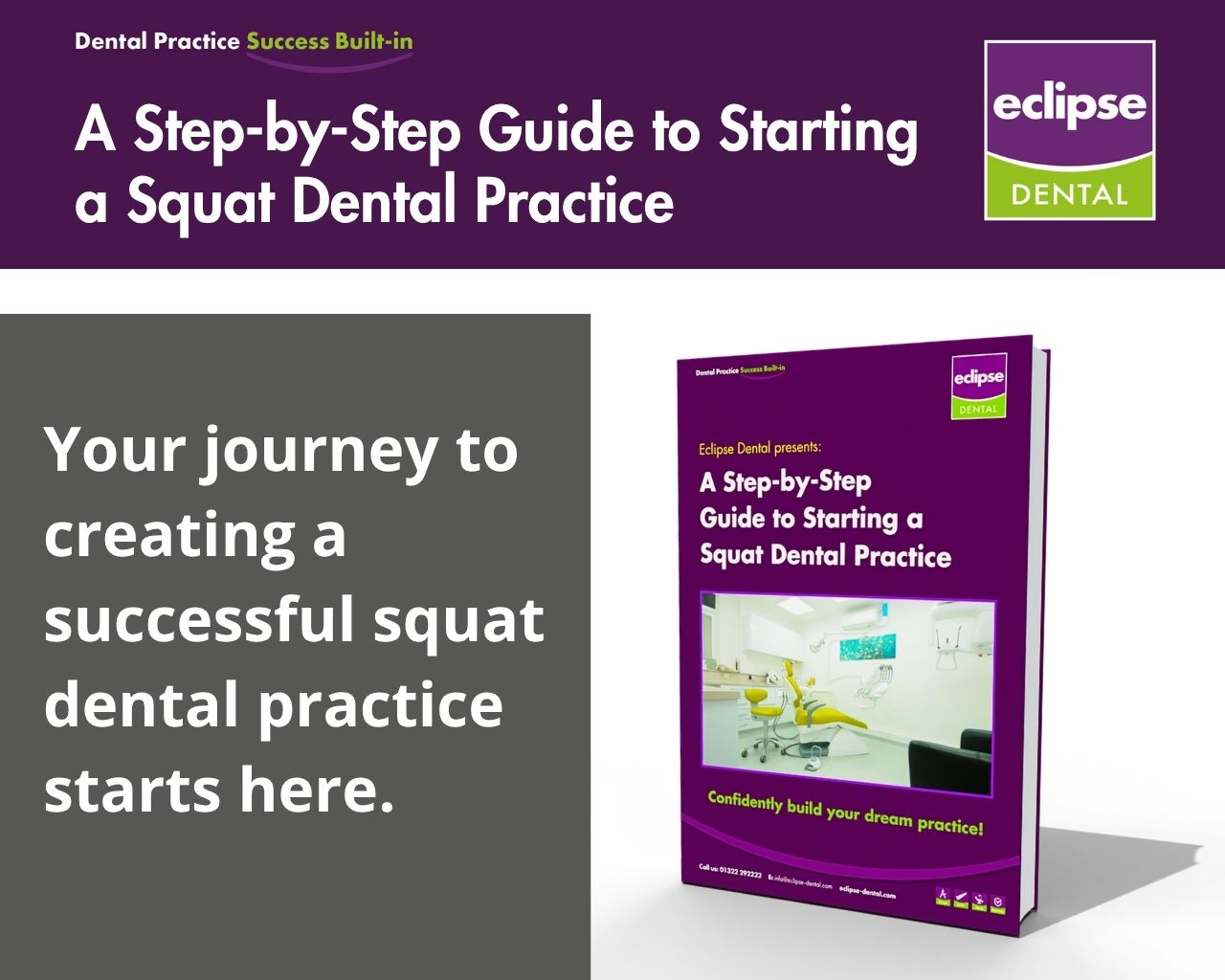
This budgeting step feeds directly into site selection, design and project planning, which are all covered in our Step-by-Step Guide to Starting a Squat Dental Practice Ebook.
Cost analysis helps you understand whether your plans are viable before you commit to leases, funding or suppliers. It gives you a realistic view of start-up costs, early operating expenses and financial risk, allowing you to make informed decisions at the earliest stage.
Your initial budget should be indicative, not final. At this stage, focus on broad cost categories and realistic ranges rather than exact figures. Precision comes later, once sites, designs and specifications are confirmed.
The most commonly underestimated costs include:
– Enabling works and fit-out preparation
– Professional and legal fees
– Early marketing and launch activity
– Staffing costs before revenue stabilises
These should be included from the start to avoid financial pressure later.
A contingency allowance is essential. While the exact percentage will vary, your budget should always include a buffer for unexpected delays, design changes or building issues. Without contingency, small problems can quickly become major setbacks.
Yes. Marketing is often overlooked but plays a key role in how quickly patient numbers build after opening. Your initial budget should include website development, local launch activity and ongoing visibility, not just clinical equipment.
Yes. Recruitment, onboarding and training costs often occur before the practice generates revenue. Your budget should reflect the reality that staffing costs usually come before income.
Once you have an indicative budget. Lenders are not looking for perfection, but they do expect a structured, realistic view of costs, cash flow and contingency. A clear initial budget makes funding conversations far more productive.
Regularly. Your budget should be reviewed and refined as you move through site selection, design and project planning. Early budgets set direction, but they must evolve as decisions become firmer.
Yes. We can provide an Excel budget worksheet to help structure your initial cost analysis and keep assumptions organised as your plans develop.

I have used them for the first time in recent months for a complicated project in carrying out a practice refurbishment. Eclipse were meticulous and brilliant. Very knowledgable engineers and a beautiful finish to my practice. They really are a family based business who will look after you. Very professional company and will definitely keep using them.

I had my 2 surgery practice completely stripped out and services repositioned with new flooring, new equipment and redecorated. They kept to the agreed time scale and we were up and running in our state-of-the-art new surgery. Thank you Eclipse and I will be using your services again.

I did a lot of research looking for a dental fit-out company before I came across Eclipse Dental. They designed the surgery exactly the way I wanted it to look which suits my requirements perfectly. The final result was phenomenal, just phenomenal!

The engineers that attend our practice are very knowledgeable and always act in a professional manner. If we have an emergency situation John Boyt always tries his best to fit us in. I have no hesitation in recommending Eclipse Dental Engineering to you for all your servicing and breakdown needs.

Eclipse listened to my ideas, they added a lot to them and improved my initial design. They had loads of realistic and creative ideas for a 21st century dental practice! Two surgeries were refurbished on time without any interruption of our clinics.

We would highly recommend the awesome Eclipse team who guided us through the design process, finishing touches and colour schemes. Their ability to combine build works with equipment and dental engineering makes it so much easier and better value.

I am very pleased with the result, it is of a high quality and surpassed my expectations, on the strength of the work done I commissioned some extra wall cabinetry. The whole process was hassle-free and I would be very happy to recommend Eclipse to my friends in the business.
We used Eclipse recently in an emergency as we had equipment failure. They were very quick to respond to our call and were able to get us working again within 2 hours. The engineer was very friendly and professional and I would highly recommend this company.

I would like to express my gratitude to you and your team for your professionalism and prompt response when our dental chair packed up. You attended the same day, removed the damaged chair and installed a rental to allow us to continue practising.
Having dealt with many fit-out companies over the years, Eclipse Dental has been one of the most professional, dependable and sincere companies I have ever worked with. I would not hesitate to use their services again.

Excellent service, Eclipse have worked tirelessly for us and have always come out same day if we have a problem stopping us working. Thanks to all at Eclipse.

Their awareness of CQC regulations regarding equipment relocation and our necessity to minimise downtime was brilliant. We would like to recommend Eclipse Dental to anyone considering a refurbishment or relocation.

Very happy with the service and reliability of the team. From the beginning to the end, everyone was always helpful and very kind. I definitely will recommend Eclipse Dental!

I liked how swiftly the projects were done. Everything was managed, everything was timed and everything was coordinated. And every day we saw something happening. It was very exciting.

The quality of craftsmanship was exceptional—the cabinetry, flooring and all custom elements were made precisely to our specifications and aligned perfectly with our vision for the space.

Brilliant. Just professional! Complete refit of surgery. Flawless.

The boys did well! We didn’t give them much time to prepare but they did a great job, extremely pleased.

We have had the chairs for some time now and are happy with them. They serve what we need them for. The aftercare service is excellent

Eclipse are very flexible and listen to your needs. We are very impressed with the quality of workmanship they delivered. I would not hesitate to continue recommending Eclipse.
Eclipse were always accommodating of any requests and would always go the extra mile. I look forward to working with them for many years to come.

We are delighted with the end result. The practice looks good and, more importantly, works ergonomically and efficiently.