The world of dentistry is vast and complex, but one technology stands out as a pillar of modern dental care: dental X-rays.
These handy tools are far more than just a high-tech gadget. They’re a critical component of maintaining oral health, revealing hidden issues and planning effective treatments.
We have been supplying and installing dental X-ray equipment for decades, so this comprehensive guide has been created to assist you in choosing the correct machine for your practice.
Please check out our dental X-ray listings for detailed information.
Dental X-rays, also known as dental radiographs, are a type of imaging technique that uses low levels of radiation to capture images of the interior of the teeth and gums.
With X-rays, dentists can spot problems like cavities, gum disease and impacted teeth long before they become visible to the naked eye.
In essence, dental X-rays are a preventive tool, allowing for early intervention and treatment, which in turn can save time, money and unnecessary discomfort for the patient in the long run.
Not all dental X-rays are created equal. Each type serves a unique purpose and provides different insights into your oral health.
You’re likely familiar with these, but let’s review the main types and their specific applications:
For more information on other dental imaging systems, covering cameras and 3D imaging, see our article – Dental Imaging – Cameras | X-rays | Scanners
Dental radiography might sound like a complicated term, but it’s essentially the use of X-rays to view the structures of the oral cavity.
Here’s how it works: X-rays pass through the soft tissues of the face and oral cavity and are absorbed by the dense tissues of the teeth and bones.
This creates images that can be used to identify a wide range of issues, from cavities and gum disease to impacted teeth and jaw disorders.
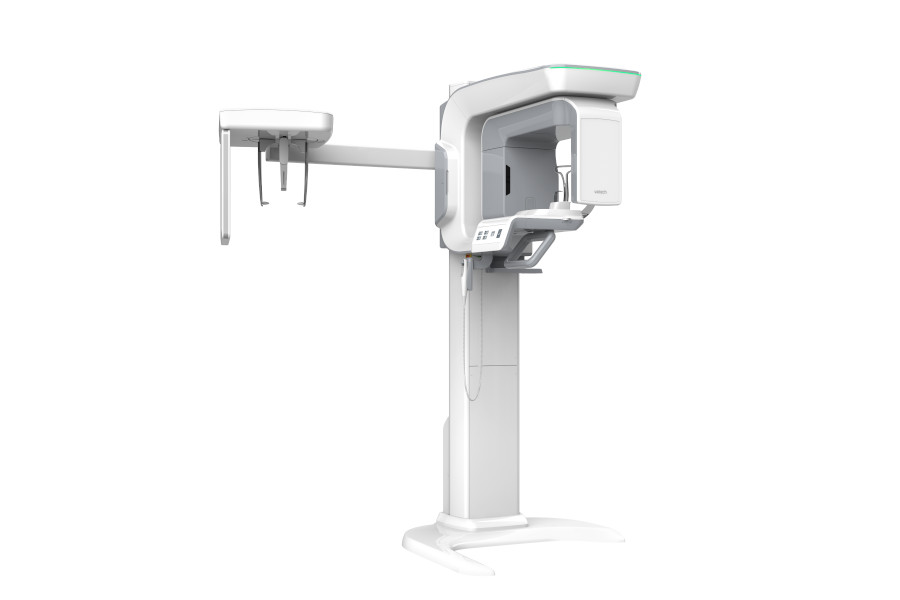
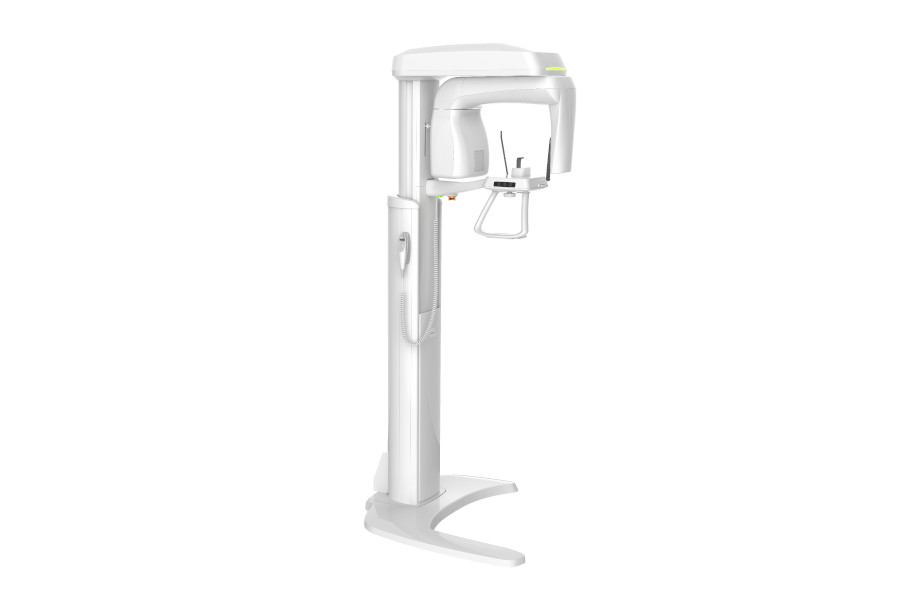
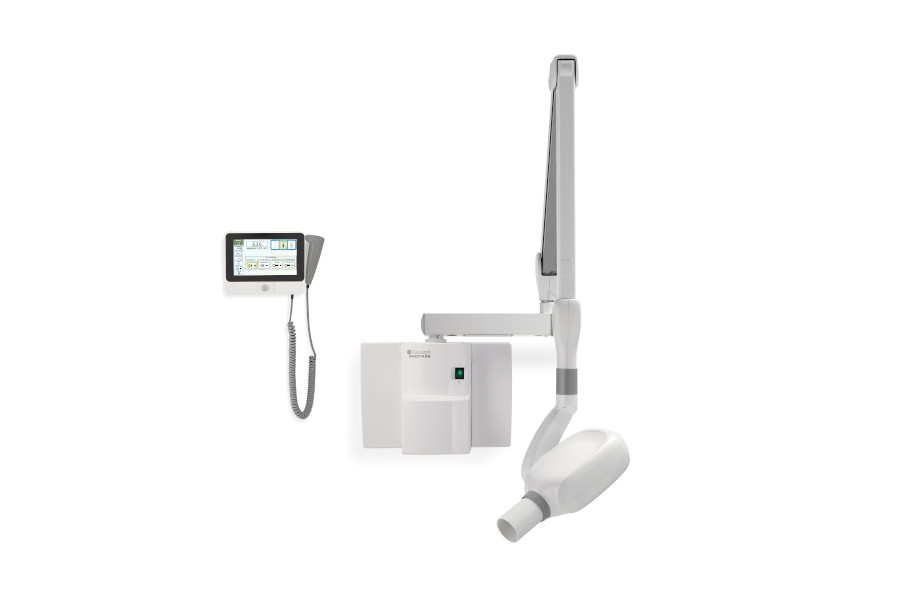
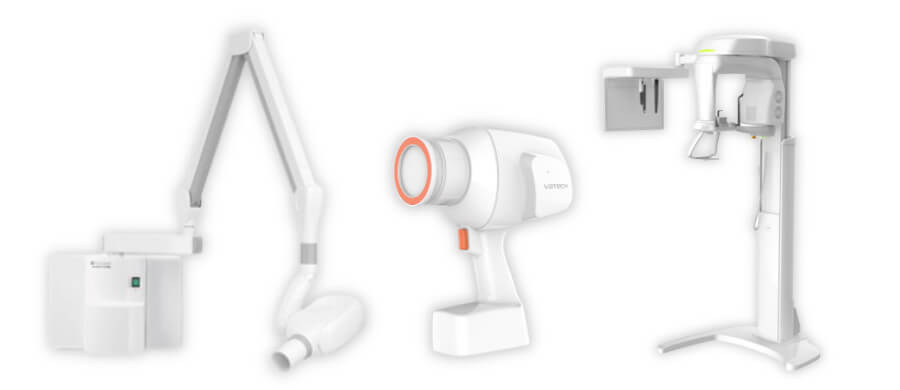
When choosing X-ray equipment, consider these options:
| Type | Pros | Cons | Best For |
|---|---|---|---|
| Wall-mounted | High image quality, stability | Fixed location | Established practices |
| Portable | Versatility, space-saving | Potential image quality trade-off | Mobile dentistry, small practices |
| Digital | Immediate results, lower radiation, easy storage | Higher initial cost | Modern, tech-forward practices |
By understanding the benefits of different X-ray units, dental professionals can choose the most appropriate equipment for their practice and patients.
As seasoned professionals, you’re familiar with operating X-ray equipment, but are you maximising its potential?
Here’s a refresher on best practices:
Tip: Create a checklist for your team to ensure consistent, high-quality imaging across all operators.
In your hands, dental imaging is more than just a tool. Here’s how to harness it effectively.
X-rays reveal what the naked eye can’t.
By mastering these aspects of dental imaging, you’re not just taking pictures—you’re elevating your entire practice.
Your expertise in interpreting these images is what sets you apart. Regular continuing education in dental radiology isn’t just required—it’s an investment in your diagnostic prowess.
Your ability to detect, diagnose and treat with precision is what keeps patients coming back and referrals flowing in.
Providing the best possible care for your patients often means investing in the right equipment.
When it comes to dental X-ray machines, these investments can vary depending on the type of machine and its capabilities.
In general, you can expect to invest around £2,500 upwards for a dental X-ray machine.
Portable machines, for instance, might be more cost-effective and versatile for a smaller practice or for use in various locations.
Wall-mounted or freestanding units, on the other hand, might carry a higher upfront cost but provide exceptional image quality and stability for high-volume clinics.
OPG machines start at around £12,000 and their CBCT counterparts start at £30,000.
Remember, investing in the right dental X-ray machine isn’t just about cost, but about improving patient outcomes, optimising workflow and enhancing the overall efficiency of your practice.
To ensure you make the right decision, we recommend exploring our product pages for intraoral X-ray machines and OPG machines.
However, the best way to navigate this decision is to discuss your specific needs and circumstances with an expert.
Our team is always available to help you determine which machine would be best for your practice.
Contact us to discuss your needs in more detail.
While it’s true that dental X-rays involve exposure to low levels of radiation, the risk of potential harm is minimal.
Dental X-ray machines are designed to limit the body’s exposure to radiation and every precaution is taken to ensure that radiation exposure is As Low As Reasonably Achievable (the ALARA principle).
The frequency of X-rays also plays a part in safety. So how many dental X-rays are safe in a month?
The answer depends on the individual’s health needs.
The factors that should be taken into consideration are:
Just like any other piece of machinery, dental X-ray machines require regular maintenance and servicing to ensure their longevity and reliability.
This includes routine checks, cleaning and occasional part replacement.
Proper maintenance not only ensures the machine works optimally, but also helps in detecting any potential issues before they become major problems.
Moreover, regular servicing can extend the lifespan of the machine, thereby saving costs in the long run.
At Eclipse, we provide thorough inspections for all your X-ray equipment, including hand-held devices.
We generally recommend an annual service for each machine, with each inspection typically taking around an hour.
Our comprehensive service includes checking for stability, signs of wear and tear, the accuracy of exposure control, as well as inspecting the tube-head and its fittings.
We also verify the consistency and output of radiation, ensuring that your machine is operating within the safety standards. Upon completion, we take care of all necessary documentation and paperwork.
To discuss any service, maintenance, or repair needs for your imaging equipment, don’t hesitate to reach out to our service team at 01322 421156 or service@eclipse-dental.com.
Our EclipseCare service plans are designed to ensure maximum service uptime for your practice. Make sure to compare the likely cost and level of support across one to three year service contracts.
The UK has strict rules in place to protect patients and staff from unnecessary radiation exposure.
These regulations require all dental X-ray equipment to be installed correctly, used appropriately and maintained throughout its working life. As the practice owner or manager, you are responsible for making sure your team is properly trained and that clear radiation safety procedures are followed every day.
You must also seek specialist radiation protection advice under the Ionising Radiations Regulations. This is where external experts come in. Radiation Protection Advisers (RPA) and Medical Physics Experts (MPE) support you with risk assessments, compliance, quality assurance and practical guidance on safe use.
Bodies such as UK Health Security Agency provide recognised RPA services across the UK and Ireland, alongside X-ray equipment assessments and wider radiation protection support.
Alongside legislation, professional guidance plays an important role.
Documents such as Faculty of General Dental Practice (UK) selection criteria for dental radiography help you make informed, defensible decisions about when and how X-rays are taken. There is also specific guidance covering the safe use of hand-held dental X-ray equipment.
If you operate multiple practices, the regulations allow a single notification to cover all sites where ionising radiation work is carried out under your control.
Keeping up to date with these requirements is not optional. It protects you legally, reduces clinical risk and reassures patients that radiation safety is taken seriously within your practice.
Regulation does not stop at installation. Testing is a core requirement of both safety and compliance.
The Ionising Radiation (Medical Exposure) Regulations require ongoing testing to confirm that performance is maintained over time and that the equipment continues to operate safely and effectively.
In practice, this means:
Regular testing matters for four reasons. It protects radiation safety. It keeps you compliant with the law. It maintains diagnostic image quality. It reduces the risk of unexpected equipment failure.
We work in partnership with our Dental Radiation Protection Adviser and Medical Physics Expert, CompleteRPA, to provide critical examinations, acceptance testing and routine QA testing for dental X-ray equipment.
If you want to review your current testing schedule or discuss support with X-ray compliance, get in touch with our team to talk through your options.
When it comes to installing X-ray machines in your dental practice, precision and meticulous attention to detail are paramount.
Failing to adhere to the correct installation protocols can result in non-compliance with legal requirements, potentially causing your practice to fail radiation protection inspections.
The wiring for isolators and timers is a critical aspect of the installation process. These components need to be fitted correctly to ensure they meet the necessary legal requirements.
Inaccuracies or oversights during this step could expose your practice to unnecessary risks and potential regulatory penalties.
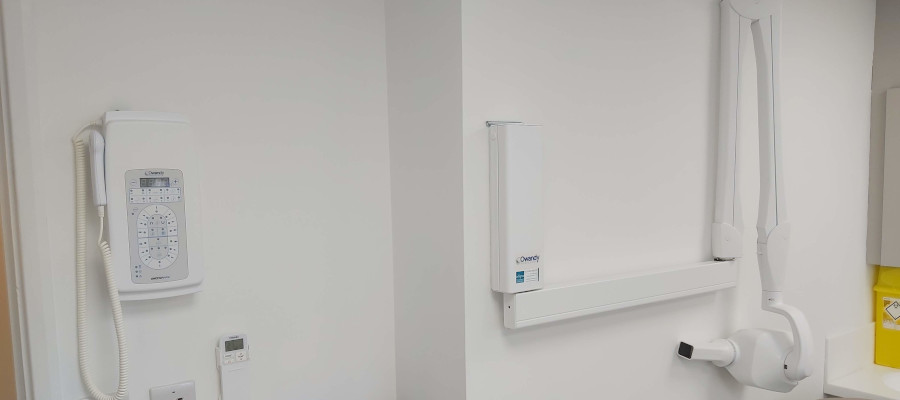
Particularly for wall-mounted X-ray machines, the robustness of the support is crucial.
These machines are integral to any dental practice, and their fixings must withstand a pull force of 100kg each.
Remember, the leverage and manual handling can add substantial weight to the wall fixing.
Using the wrong fixings or failing to secure them properly can have serious consequences.
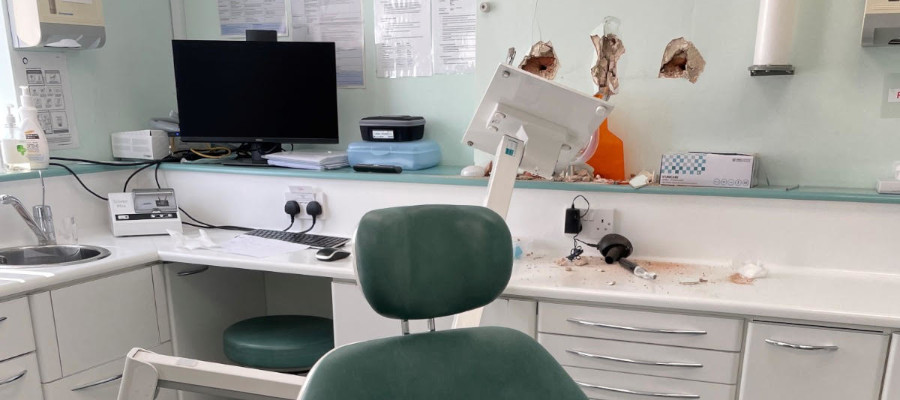
Insecurely installed machines can fall off the wall, causing substantial damage and posing a significant risk to the safety of patients and staff.
For more information regarding equipment installation, see our article – Why Specialist Contractors are Crucial.
From understanding the different types of X-rays to investing in the right X-ray machine that suits your practice, every detail matters.
The cost of your equipment is an investment in the quality of care you provide. And by maintaining your equipment well, you are prolonging its lifespan and ensuring its optimal function.
Furthermore, the installation of your X-ray machines calls for precision and meticulous attention to detail, underscoring the importance of safety and compliance in your practice.
But you’re not alone in this journey.
We are committed to helping dental practices like yours achieve success.
Our aim is to provide customised solutions that maximise operational efficiencies, improve the patient experience and meet CQC guidelines.
We see ourselves as a partner in your journey, not just a supplier, bringing in trusted specialists who approach every detail with minimal business disruption and ongoing success in mind.
There are several types of dental X-ray machines that a dental practice might consider. These include:
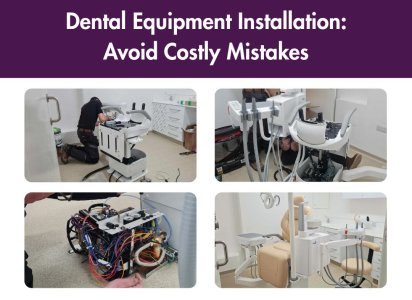
Ensuring the safe installation of your dental X-ray machine involves several steps. Wiring for isolators and timers needs to be fitted correctly to comply with legal requirements. Wall-mounted X-ray machines need support for their fixings to withstand a pull force of 100kg each, as the leverage and being pulled by hand can add weight to the wall fixing. If the wrong fixings are used and are not fitted securely, they can fall off the wall, causing damage and potential harm to patients or staff.
In the UK, dental professionals must adhere to strict regulations when carrying out dental X-ray work. These regulations are designed to ensure patient safety and high standards of practice. To minimise the risks, X-ray equipment must be used safely, and appropriate guidance should be followed, such as FGDP(UK)’s Selection Criteria in Dental Radiography.
Regular maintenance and servicing of dental X-ray machines are essential to ensure their longevity, reliability and safe use. An annual service is recommended for all X-ray equipment, including handheld devices. Regular maintenance helps to prevent potential issues that could lead to machine failure or inaccurate results. This proactive approach not only safeguards the equipment but also helps in maintaining high standards of patient care and safety.
Eclipse is an amazing company, always responding promptly when we require their assistance. They are providing yearly maintenance and repairs and we were never disappointed.
I had an excellent experience with Eclipse. Their expertise and attention to detail, and professionalism were outstanding from start to finish. The customer service is exceptional, always clear and efficient. I cannot recommend them enough.

Recently moved over to Eclipse from another company and i’m so glad we did. Their pricing is very competitive and they are very good with communication unlike the previous company we were using. We recently had our servicing completed and were very happy! Highly recommend this company!

We highly recommend Eclipse Dental to any dental practice looking for high quality equipment and reliable support. From supplying our dental chairs, CBCT scanner and autoclave to helping us set up our clinic within a very short time frame, it’s been a great experience working with them.
Always responsive, always helpful and have got us out of trouble in a matter of hours on many an occasion! Consistently good service and knowledgeable engineers at reasonable prices. Have already recommended to colleagues.

I have used them for the first time in recent months for a complicated project in carrying out a practice refurbishment. Eclipse were meticulous and brilliant. Very knowledgable engineers and a beautiful finish to my practice. They really are a family based business who will look after you. Very professional company and will definitely keep using them.

I had my 2 surgery practice completely stripped out and services repositioned with new flooring, new equipment and redecorated. They kept to the agreed time scale and we were up and running in our state-of-the-art new surgery. Thank you Eclipse and I will be using your services again.

I did a lot of research looking for a dental fit-out company before I came across Eclipse Dental. They designed the surgery exactly the way I wanted it to look which suits my requirements perfectly. The final result was phenomenal, just phenomenal!
The engineers that attend our practice are very knowledgeable and always act in a professional manner. If we have an emergency situation John Boyt always tries his best to fit us in. I have no hesitation in recommending Eclipse Dental Engineering to you for all your servicing and breakdown needs.
Eclipse listened to my ideas, they added a lot to them and improved my initial design. They had loads of realistic and creative ideas for a 21st century dental practice! Two surgeries were refurbished on time without any interruption of our clinics.

We would highly recommend the awesome Eclipse team who guided us through the design process, finishing touches and colour schemes. Their ability to combine build works with equipment and dental engineering makes it so much easier and better value.

I am very pleased with the result, it is of a high quality and surpassed my expectations, on the strength of the work done I commissioned some extra wall cabinetry. The whole process was hassle-free and I would be very happy to recommend Eclipse to my friends in the business.
We used Eclipse recently in an emergency as we had equipment failure. They were very quick to respond to our call and were able to get us working again within 2 hours. The engineer was very friendly and professional and I would highly recommend this company.

I would like to express my gratitude to you and your team for your professionalism and prompt response when our dental chair packed up. You attended the same day, removed the damaged chair and installed a rental to allow us to continue practising.
Having dealt with many fit-out companies over the years, Eclipse Dental has been one of the most professional, dependable and sincere companies I have ever worked with. I would not hesitate to use their services again.
Excellent service, Eclipse have worked tirelessly for us and have always come out same day if we have a problem stopping us working. Thanks to all at Eclipse.
Their awareness of CQC regulations regarding equipment relocation and our necessity to minimise downtime was brilliant. We would like to recommend Eclipse Dental to anyone considering a refurbishment or relocation.
Very happy with the service and reliability of the team. From the beginning to the end, everyone was always helpful and very kind. I definitely will recommend Eclipse Dental!

I liked how swiftly the projects were done. Everything was managed, everything was timed and everything was coordinated. And every day we saw something happening. It was very exciting.

The quality of craftsmanship was exceptional—the cabinetry, flooring and all custom elements were made precisely to our specifications and aligned perfectly with our vision for the space.

Brilliant. Just professional! Complete refit of surgery. Flawless.

The boys did well! We didn’t give them much time to prepare but they did a great job, extremely pleased.

We have had the chairs for some time now and are happy with them. They serve what we need them for. The aftercare service is excellent

Eclipse are very flexible and listen to your needs. We are very impressed with the quality of workmanship they delivered. I would not hesitate to continue recommending Eclipse.
Eclipse were always accommodating of any requests and would always go the extra mile. I look forward to working with them for many years to come.

We are delighted with the end result. The practice looks good and, more importantly, works ergonomically and efficiently.