Choosing a location is one of the biggest commercial decisions you will make.
Get it right and your practice grows with less friction.
Get it wrong and you fight the building, the demographics and the competition every day.
If you are planning a squat, start with structure.
Our free, downloadable ebook “Step-by-Step Guide to Starting a Squat Dental Practice” gives you the full roadmap, including invaluable insights and the critical aspects of launching a thriving practice.
Below are five practical tips to help you assess sites properly.
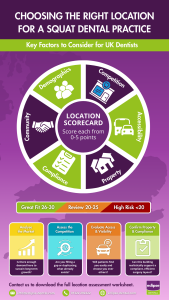
The cost alone does not define whether a site works.
The surrounding population will determine the type of dentistry you can sustainably provide.
Before committing, review:
Use UK census data and local planning portals. Do not rely on assumption.
Then compare sites objectively:
| Demographic Signal | What It Could Mean for You |
|---|---|
| High young family population | Strong demand for general dentistry and orthodontics |
| High-income professionals | Cosmetic and implant potential |
| Older population | Preventative care and accessibility focus |
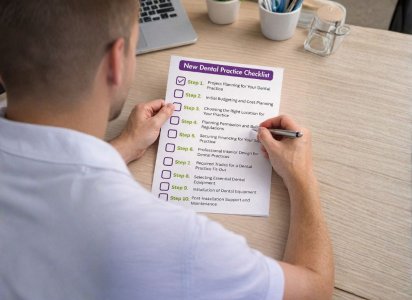
To make this easier, we have a ‘Choosing the Right Location’ worksheet designed to guide you through a thorough assessment of potential locations for your dental practice.
It allows you to score each site consistently and remove bias from the decision.
Convenience directly affects patient retention.
Assess:
Then review compliance implications.
You must ensure your premises allow you to comply with the Equality Act 2010 and other relevant regulations to create an inclusive environment for all patients.
That includes considering:
Physical constraints increase build complexity and long-term operational friction.
Accessibility also influences inspection outcomes and patient perception.
Headline rent rarely reflects total investment.
Older properties frequently conceal:
These factors affect programme length, compliance and capital spend.
When reviewing different property types, set out clearly:
The key question is whether the building supports efficient, compliant dentistry without excessive adaptation.
| Property | Pros | Cons | Budgeting Considerations |
|---|---|---|---|
| House | Residential feel may comfort patients; potential for ample space. | May need modifications for accessibility and professional use. | Zoning changes and renovations can be costly. |
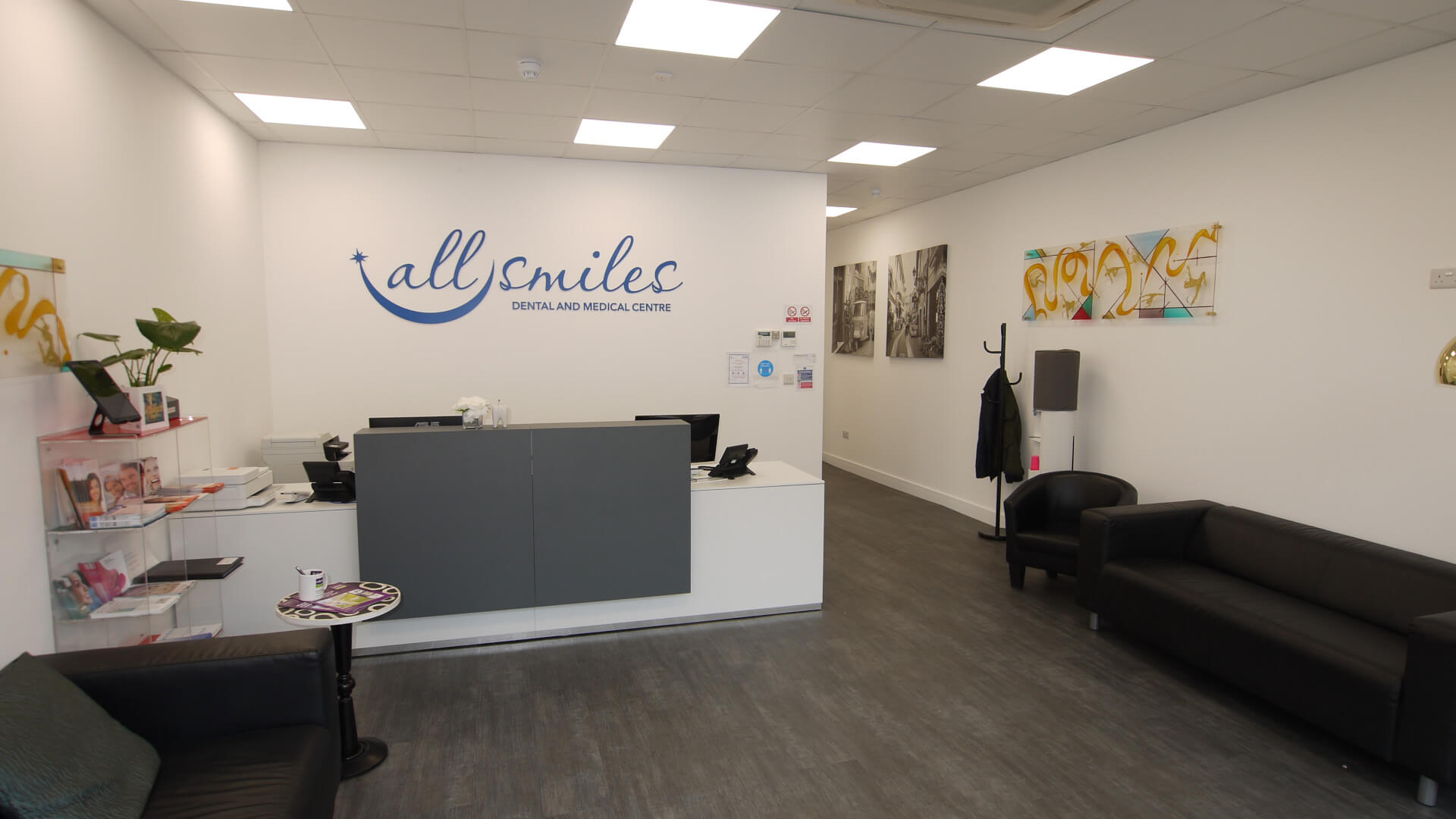
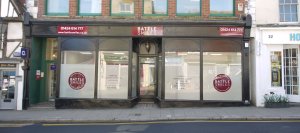
| Shop | High visibility, usually located in high traffic areas. | Limited space, potential zoning restrictions. | May require significant interior remodelling to suit equipment and privacy requirements. |
| Industrial and Commercial Estates | Spacious and versatile, often with good parking facilities. | May be located away from residential areas, affecting patient accessibility. | Potentially lower rent but higher costs for making the space feel welcoming. |
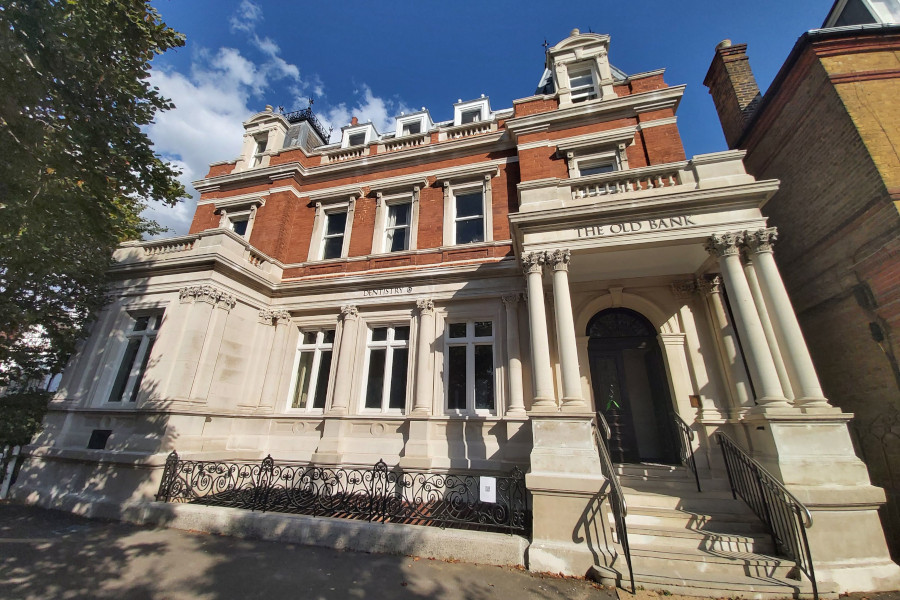
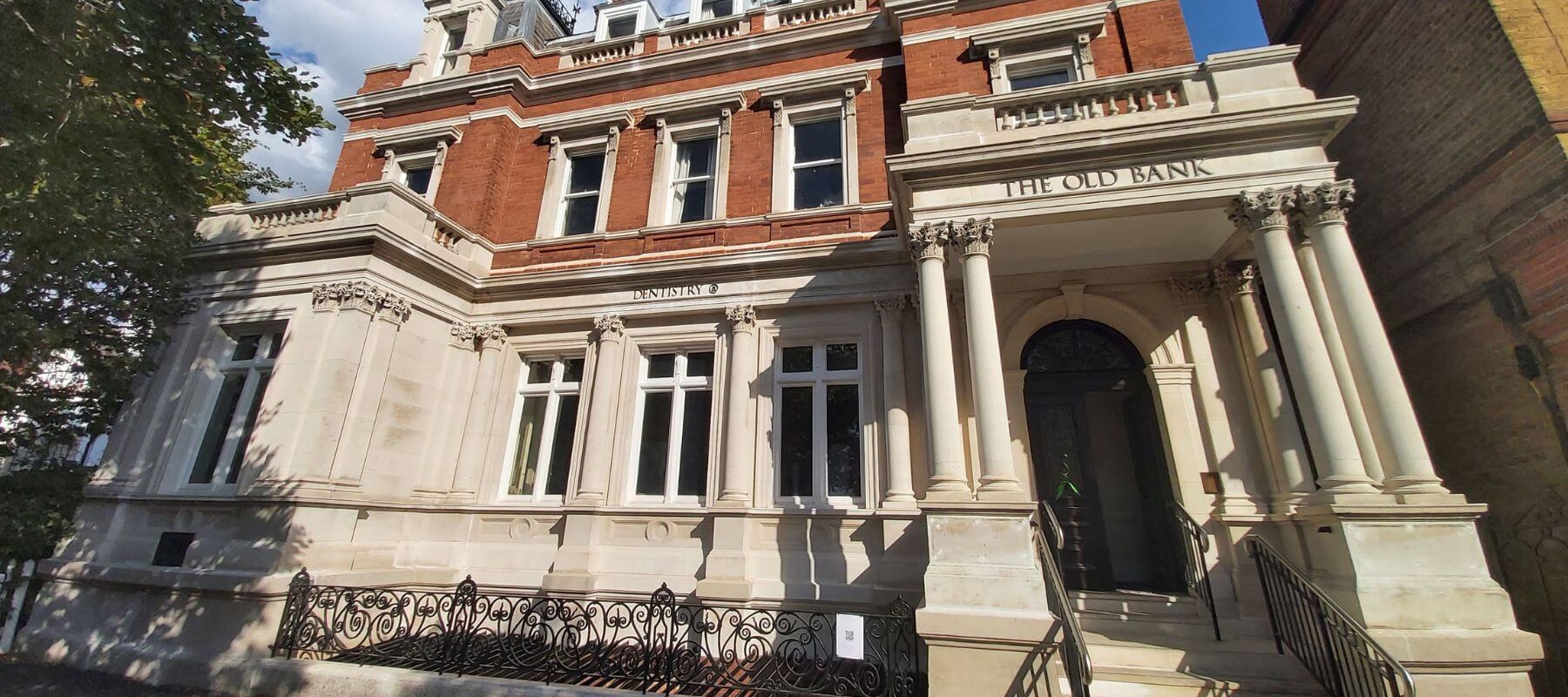
| Repurposed Barn/Church | Unique charm can differentiate your practice; potentially large space. | Possible challenges with heating, cooling and converting to clinical use. | High costs for utilities and custom renovations. |
| Shell New Build | Customisable layout and modern infrastructure. | Typically higher initial investment and longer preparation time. | Budget for full interior build-out and possible delays. |
| Office | Professional setting, often well-located for business districts. | May lack external character, which could affect patient appeal. | Likely requires less structural modification than other options. |
| Supermarket Concessions | High foot traffic and accessibility. | Space and design limitations, confined to the style of the supermarket. | Typically lower setup costs due to existing infrastructure. |
Competition confirms demand, but it also defines positioning.
Assess:
Visit the area in person. Search online. Observe patient flow.
Then determine where you sit:
If surrounding practices operate primarily as NHS general providers, there may be room for a digitally-led private model with strong design and workflow planning.
Location and positioning must support the same commercial strategy.
Join dentists and practice managers using our resources to plan, build and run better practices.
You can unsubscribe at any time.
Before signing a lease or committing to purchase, step back and confirm:
✔ Competition has been mapped and positioned against
✔ Accessibility supports Equality Act 2010 compliance
✔ Demographics align with your service model
✔ Infrastructure has been properly assessed
✔ Financial projections remain viable
✔ Future expansion potential exists
✔ Upgrade costs are realistic
Common mistakes include:
Each of these issues compounds cost and disruption over time.
If you are at the planning stage, download our free ebook “Step-by-Step Guide to Starting a Squat Dental Practice” It breaks down location selection, compliance, budgeting and project sequencing in the correct order.
If you are comparing multiple properties, use our location assessment worksheet to evaluate them side by side. This creates clarity for you, your lender and your advisors.
The right location creates operational efficiency, patient accessibility and financial resilience from the outset.
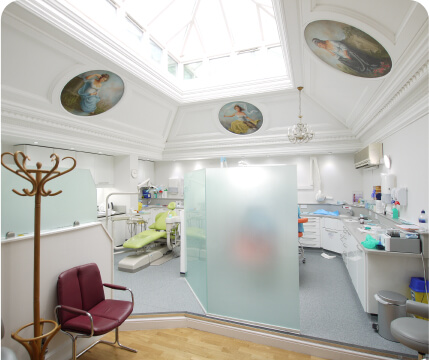
Explore projects delivered in high-demand areas where visibility, access and demographics support sustainable growth and patient retention.
Start by looking at population size within a realistic catchment and whether that population is growing. Pay attention to age distribution, income levels and new housing developments, as these factors directly influence the type of dentistry that will be viable. You should also review how many practices already operate nearby and whether they appear busy or have long waiting times. Demand is rarely obvious from one data point. It becomes clearer when demographic trends and existing provision are considered together.
A high street address can increase visibility, but it often comes with higher rent, tighter layouts and limited parking. Suburban locations may offer larger footprints, easier access and stronger family catchments. The better choice depends on your business model. If your focus is convenience and cosmetic walk-ins, visibility may matter more. If your strategy is long-term family care with strong recall, accessibility and parking may be more important than passing foot traffic.
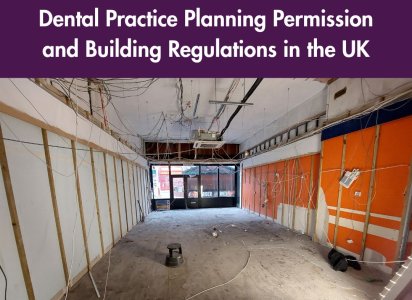
Compliance should influence the decision before you sign a lease, not after. You need to consider whether the building can realistically support ventilation requirements, decontamination zoning, electrical capacity and safe pipework routing. You must also ensure your practice can comply with the Equality Act 2010 and other relevant regulations to create an inclusive environment for all patients. If the building restricts these elements, the cost and complexity of adaptation increases quickly.
Multiple nearby practices do not automatically mean the market is saturated. In many cases, they confirm that there is established demand for dentistry in that area. The real question is how those practices are positioned. If they are largely NHS-led general providers, there may be space for a digitally-led private clinic or a specialist offering. Competition should prompt analysis, not immediate rejection.
The most common mistake is focusing too heavily on rent without fully understanding the building’s limitations. A lower-cost unit can become significantly more expensive once drainage upgrades, electrical improvements or structural adjustments are factored in. Location decisions should be tested against your five to ten year growth plan. A building that restricts expansion or workflow efficiency will create friction long after the initial saving has been forgotten.

I have used them for the first time in recent months for a complicated project in carrying out a practice refurbishment. Eclipse were meticulous and brilliant. Very knowledgable engineers and a beautiful finish to my practice. They really are a family based business who will look after you. Very professional company and will definitely keep using them.

I had my 2 surgery practice completely stripped out and services repositioned with new flooring, new equipment and redecorated. They kept to the agreed time scale and we were up and running in our state-of-the-art new surgery. Thank you Eclipse and I will be using your services again.

I did a lot of research looking for a dental fit-out company before I came across Eclipse Dental. They designed the surgery exactly the way I wanted it to look which suits my requirements perfectly. The final result was phenomenal, just phenomenal!

The engineers that attend our practice are very knowledgeable and always act in a professional manner. If we have an emergency situation John Boyt always tries his best to fit us in. I have no hesitation in recommending Eclipse Dental Engineering to you for all your servicing and breakdown needs.
Eclipse listened to my ideas, they added a lot to them and improved my initial design. They had loads of realistic and creative ideas for a 21st century dental practice! Two surgeries were refurbished on time without any interruption of our clinics.

We would highly recommend the awesome Eclipse team who guided us through the design process, finishing touches and colour schemes. Their ability to combine build works with equipment and dental engineering makes it so much easier and better value.

I am very pleased with the result, it is of a high quality and surpassed my expectations, on the strength of the work done I commissioned some extra wall cabinetry. The whole process was hassle-free and I would be very happy to recommend Eclipse to my friends in the business.
We used Eclipse recently in an emergency as we had equipment failure. They were very quick to respond to our call and were able to get us working again within 2 hours. The engineer was very friendly and professional and I would highly recommend this company.

I would like to express my gratitude to you and your team for your professionalism and prompt response when our dental chair packed up. You attended the same day, removed the damaged chair and installed a rental to allow us to continue practising.
Having dealt with many fit-out companies over the years, Eclipse Dental has been one of the most professional, dependable and sincere companies I have ever worked with. I would not hesitate to use their services again.
Excellent service, Eclipse have worked tirelessly for us and have always come out same day if we have a problem stopping us working. Thanks to all at Eclipse.

Their awareness of CQC regulations regarding equipment relocation and our necessity to minimise downtime was brilliant. We would like to recommend Eclipse Dental to anyone considering a refurbishment or relocation.
Very happy with the service and reliability of the team. From the beginning to the end, everyone was always helpful and very kind. I definitely will recommend Eclipse Dental!
I liked how swiftly the projects were done. Everything was managed, everything was timed and everything was coordinated. And every day we saw something happening. It was very exciting.

The quality of craftsmanship was exceptional—the cabinetry, flooring and all custom elements were made precisely to our specifications and aligned perfectly with our vision for the space.

Brilliant. Just professional! Complete refit of surgery. Flawless.

The boys did well! We didn’t give them much time to prepare but they did a great job, extremely pleased.

We have had the chairs for some time now and are happy with them. They serve what we need them for. The aftercare service is excellent

Eclipse are very flexible and listen to your needs. We are very impressed with the quality of workmanship they delivered. I would not hesitate to continue recommending Eclipse.
Eclipse were always accommodating of any requests and would always go the extra mile. I look forward to working with them for many years to come.

We are delighted with the end result. The practice looks good and, more importantly, works ergonomically and efficiently.